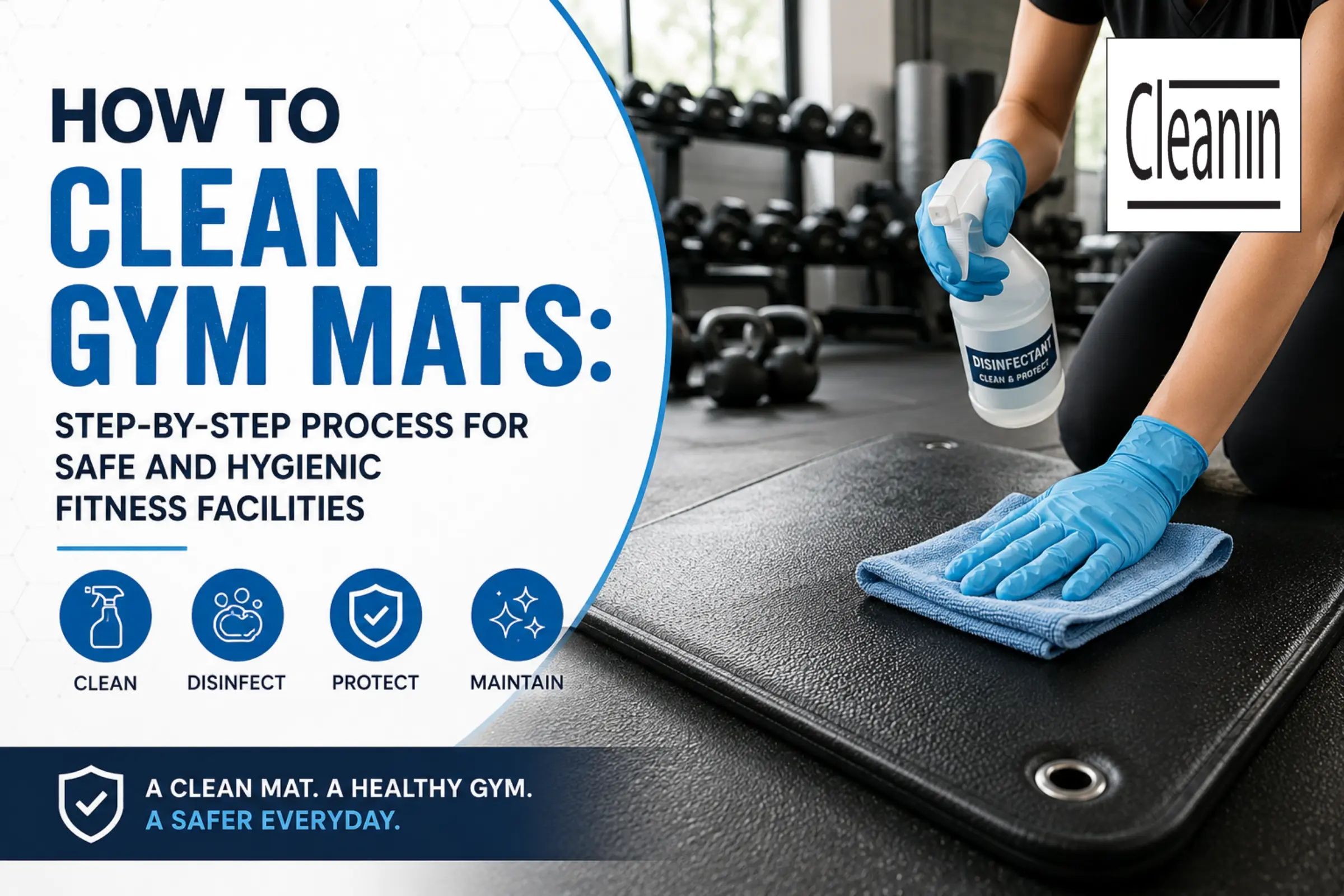
Commercial gym mats should be cleaned daily using the appropriate cleaning solution and disinfected regularly to remove sweat, dirt, bacteria, and other contaminants that accumulate during normal use. However, routine cleaning alone is not enough to maintain long-term hygiene. Over time, moisture, body oils, skin cells, and debris can build up within textured surfaces, seams, and underneath mats, requiring periodic deep cleaning to restore cleanliness and reduce hygiene risks.
The most effective cleaning method depends on the type of gym mat, how frequently it is used, and the activities taking place on its surface. Rubber weightlifting mats, foam exercise mats, martial arts mats, and vinyl gym flooring each have different cleaning requirements, and using unsuitable cleaning products or excessive moisture can damage the material or reduce its lifespan.
Routine cleaning focuses on maintaining day-to-day cleanliness by removing surface dirt, spills, and perspiration, while professional deep cleaning targets embedded soil, bacteria, odours, and contaminants that cannot be removed through regular mopping or wiping alone. Together, these cleaning practices help create a cleaner, safer, and more hygienic environment for members and staff.
In this guide, you’ll learn how to clean different types of commercial gym mats, the best cleaning methods and products to use, how often gym mats should be cleaned, common mistakes to avoid, and when professional commercial gym cleaning services are recommended as part of an ongoing facility maintenance programme.
Why Cleaning Gym Mats Is Important?
Commercial gym mats are exposed to constant foot traffic, heavy equipment, perspiration, and repeated physical contact throughout the day. As sweat, skin cells, dust, body oils, and moisture accumulate on the surface, gym mats can become a breeding ground for bacteria, fungi, and other microorganisms if they are not cleaned and disinfected regularly.
Implementing a structured gym mat cleaning programme helps maintain hygiene, protects members, extends the lifespan of flooring, and supports a safer training environment.
Cleaning gym mats is important due to the following reasons:
- Maintain Hygiene Standards
- Help Prevent the Spread of Bacteria and Fungi
- Reduce Odours and Moisture Build-Up
- Improve the Member Experience
- Extend the Lifespan of Gym Mats
- Support Workplace Safety
1. Maintain Hygiene Standards
Gym mats are one of the most frequently used surfaces in a fitness facility. Members regularly place their hands, knees, elbows, and bodies directly on the mats during stretching, strength training, yoga, functional fitness, and group exercise classes. Routine cleaning removes sweat, dirt, skin cells, and other contaminants before they build up and compromise the overall cleanliness of the facility.
2. Help Prevent the Spread of Bacteria and Fungi
Warm, damp surfaces create favourable conditions for bacteria, fungi, and other microorganisms to multiply. Regular cleaning followed by appropriate disinfection helps reduce microbial contamination and lowers the risk of cross-contamination between members using shared workout spaces. This is particularly important in high-contact areas such as functional training zones, martial arts studios, and group fitness rooms.
3. Reduce Odours and Moisture Build-Up
Sweat, body oils, and trapped moisture can gradually penetrate textured mat surfaces, producing unpleasant odours if not removed consistently. Regular cleaning helps eliminate the organic residue that contributes to persistent smells while keeping gym mats fresher between professional deep cleaning services.
4. Improve the Member Experience
Clean gym mats contribute to a positive first impression and demonstrate that the facility prioritises cleanliness and member wellbeing. Members are more likely to feel comfortable using exercise areas that are visibly clean, well maintained, and free from stains, unpleasant odours, and accumulated dirt.
5. Extend the Lifespan of Gym Mats
Dirt, grit, and abrasive particles can gradually wear down protective surface coatings and accelerate deterioration of gym mats. Following the manufacturer’s recommended cleaning procedures helps preserve the condition, appearance, and performance of the flooring, reducing the need for premature replacement.
6. Support Workplace Safety
Dust, sweat, spilled drinks, and cleaning product residue can create slippery surfaces that increase the risk of slips, trips, and falls. Routine cleaning removes these hazards while helping maintain the grip and traction needed for safe exercise and movement throughout the facility.
What are the Types of Commercial Gym Mats?
Not all gym mats are made from the same material, which means they should not all be cleaned in the same way. Surface texture, moisture resistance, density, and intended use all influence the most appropriate cleaning method, cleaning products, and drying process.
Understanding the type of gym mat used in your facility helps prevent material damage while ensuring effective cleaning and disinfection.
There are 4 types of commercial gym mats used in commercial gym facilities.
- Rubber Gym Mats
- Foam Gym Mats
- PVC and Vinyl Gym Mats
- Tatami and Martial Arts Mats
1. Rubber Gym Mats
Rubber mats are commonly used in weightlifting areas, functional fitness zones, and free-weight sections because they are highly durable, impact-resistant, and capable of withstanding heavy equipment and constant foot traffic.
These mats should be cleaned using a neutral pH cleaner or a manufacturer-approved cleaning solution to remove sweat, dust, chalk residue, and surface dirt. Excessive water should be avoided, as it can seep beneath interlocking mats and encourage mould or mildew growth if the area is not allowed to dry properly. Regular sweeping or vacuuming before mopping also helps prevent abrasive debris from wearing down the mat surface.
2. Foam Gym Mats
Foam mats are widely used in stretching areas, children’s play zones, rehabilitation facilities, and group fitness spaces where cushioning and comfort are important. Compared with rubber mats, foam is softer and more absorbent, making it more susceptible to moisture damage if oversaturated.
Routine cleaning should involve gentle wiping with a damp microfibre cloth or mop and a mild cleaning solution suitable for foam surfaces. Harsh chemicals, abrasive brushes, and excessive moisture should be avoided, as they can damage the protective surface and reduce the mat’s lifespan.
3. PVC and Vinyl Gym Mats
PVC and vinyl mats are commonly installed in yoga studios, dance studios, wellness centres, and multi-purpose fitness rooms because they provide a smooth, easy-to-clean surface with good moisture resistance.
Daily cleaning typically involves removing loose dirt before mopping with a pH-neutral cleaner or disinfectant recommended by the manufacturer. Because these surfaces come into direct contact with hands, feet, and exercise equipment, regular disinfection is equally important to maintain hygiene and minimise the spread of bacteria and other microorganisms.
4. Tatami and Martial Arts Mats
Tatami and martial arts mats are designed for close body contact during activities such as judo, karate, taekwondo, Brazilian jiu-jitsu, and mixed martial arts. Since participants frequently train barefoot and have direct skin contact with the mat surface, maintaining a high standard of hygiene is essential.
These mats should be cleaned and disinfected after each training session or at the end of each day using products specifically approved for martial arts or sports flooring. Particular attention should be given to seams and joins where sweat, moisture, and debris can accumulate over time.
Why Cleaning Methods Differ?
The most effective gym mat cleaning method depends on the material, surface texture, moisture resistance, and how the mat is used within the facility. Rubber mats can tolerate heavier cleaning than foam mats, while vinyl surfaces often require different cleaning products than tatami mats used in contact sports.
Selecting the correct cleaning method helps remove dirt, sweat, bacteria, and other contaminants without damaging the flooring. By matching cleaning products and techniques to each mat type, businesses can maintain hygiene standards, extend the lifespan of their gym flooring, and create a safer environment for members and staff.
How to Clean Gym Mats Step by Step?
Cleaning commercial gym mats involves more than simply wiping the surface with a disinfectant. An effective cleaning process removes loose debris, lifts embedded dirt, sanitises high-contact areas, and allows the mats to dry properly before they are used again. Following a consistent cleaning routine helps maintain hygiene standards, reduces the spread of bacteria, and extends the lifespan of gym flooring.
The step by step procedure to clean Gym Mats are:
Step 1: Remove Loose Dirt and Debris
Step 2: Vacuum or Dust Mop the Surface
Step 3: Prepare the Appropriate Cleaning Solution
Step 4: Clean the Mat Surface
Step 5: Disinfect High-Contact Surfaces
Step 6: Allow the Mats to Dry Completely
Step 7: Inspect the Mats Before Returning Them to Service
Step 1: Remove Loose Dirt and Debris
Begin by removing loose dirt, dust, hair, chalk, and other debris from the mat surface. These particles can scratch the material during cleaning and reduce the effectiveness of disinfectants by preventing them from making full contact with the surface.
In high-traffic commercial gyms, this step should be performed before every cleaning session to prevent contaminants from accumulating throughout the day.
Step 2: Vacuum or Dust Mop the Surface
After removing larger debris, vacuum or dust mop the entire mat to collect finer dust and particles trapped within textured surfaces and joints. Use a vacuum with a soft floor attachment where appropriate to avoid damaging the mat material.
Pay particular attention to the edges of interlocking mats and areas beneath movable equipment, where dirt often collects unnoticed.
Step 3: Prepare the Appropriate Cleaning Solution
Select a cleaning product recommended for the specific type of gym mat being cleaned. A pH-neutral cleaner or manufacturer-approved cleaning solution is generally suitable for routine maintenance, while a commercial-grade disinfectant may be required in higher-risk environments.
Always dilute concentrated cleaning chemicals according to the manufacturer’s instructions. Using stronger concentrations than recommended does not improve cleaning performance and may leave residues or damage the mat surface.
Step 4: Clean the Mat Surface
Using a clean microfibre mop or cloth, apply the cleaning solution evenly across the mat surface. Work methodically in sections to ensure complete coverage without oversaturating the material.
For stubborn marks or dried sweat residue, gently agitate the area with a soft-bristled brush or non-abrasive cleaning pad. Avoid excessive scrubbing that may damage protective coatings or textured finishes.
Step 5: Disinfect High-Contact Surfaces
Once visible dirt has been removed, apply an appropriate disinfectant to reduce bacteria and other microorganisms that may remain on the surface. Ensure the disinfectant remains in contact with the mat for the manufacturer’s recommended dwell time before wiping or allowing it to air dry.
Disinfection is particularly important in commercial gyms, martial arts studios, functional training areas, and other facilities where members have frequent skin contact with shared surfaces.
Step 6: Allow the Mats to Dry Completely
Allow gym mats to dry thoroughly before reopening the area for use. Proper drying helps prevent moisture from becoming trapped beneath the mats, reduces the risk of mould growth, and minimises slip hazards for members.
Where possible, improve airflow by using ventilation systems or fans to accelerate drying, particularly after deep cleaning.
Step 7: Inspect the Mats Before Returning Them to Service
After the mats have dried, inspect them for any remaining dirt, stains, cleaning residue, or signs of damage such as cracks, lifting edges, or worn surfaces. Addressing these issues promptly helps maintain a safe training environment and prevents minor problems from becoming more costly repairs.
Regular inspections also allow facility managers to identify when routine cleaning is no longer sufficient and professional deep cleaning should be scheduled.
Following this step-by-step cleaning process helps commercial gyms maintain cleaner, safer, and more hygienic training spaces. Combined with periodic professional commercial cleaning, a structured maintenance programme keeps gym mats in better condition, supports member confidence, and contributes to the long-term performance of the facility.
How to Dry Gym Mats Properly After Cleaning?
Drying gym mats correctly is just as important as cleaning them. Even when dirt, sweat, and bacteria have been removed, leaving moisture on or beneath the mats can create conditions that encourage mould, mildew, unpleasant odours, and bacterial growth.
These are the procedures to dry Gym Mats properly after cleaning:
- Remove Excess Moisture Immediately
- Improve Airflow Throughout the Area
- Allow Mats to Dry Completely Before Use
- Lift or Separate Interlocking Mats When Required
- Avoid Returning Equipment Too Soon
Remove Excess Moisture Immediately
After cleaning, use a clean microfibre mop or dry cloth to remove any excess water or cleaning solution remaining on the surface. This reduces drying time and prevents moisture from pooling on the mats.
For larger commercial facilities, auto scrubbers with vacuum recovery systems can remove dirty water during the cleaning process, leaving the mats significantly drier than traditional mopping methods.
Improve Airflow Throughout the Area
Good ventilation plays an important role in drying gym mats efficiently. Open doors and windows where practical, or use the building’s ventilation system to increase air circulation.
Portable air movers or fans can also help speed up the drying process, particularly in enclosed fitness studios, martial arts facilities, and gymnasiums where airflow may be limited.
Allow Mats to Dry Completely Before Use
Gym mats should always be completely dry before members return to the training area. Walking or exercising on damp mats can create slip hazards, transfer dirt back onto the surface, and reduce the effectiveness of the cleaning process.
Drying times will vary depending on the mat material, cleaning method, humidity, and ventilation. Low-moisture cleaning methods generally dry more quickly than wet cleaning techniques.
Lift or Separate Interlocking Mats When Required
Where practical, lift or separate interlocking gym mats periodically during deep cleaning to allow trapped moisture beneath the flooring to evaporate. This is particularly important in high-use commercial gyms where moisture can accumulate underneath mats over time.
Regular inspection of the subfloor also helps identify hidden mould, mildew, or water damage before it becomes a larger maintenance issue.
Avoid Returning Equipment Too Soon
Heavy gym equipment should only be placed back onto the mats after they have dried completely. Returning equipment too early can trap residual moisture beneath the flooring, increase wear on damp surfaces, and create ideal conditions for mould growth. Additionally, knowing how to clean Gym Equipment before placing it back down prevents transferring trapped dirt and bacteria onto your freshly washed mats. Following a structured drying process helps maintain hygiene, protect gym flooring, and ensure the training area is safe for members as soon as cleaning is complete.
What are the best cleaning products for Gym Mats?
Choosing the right cleaning products is just as important as following the correct cleaning process. Commercial gym mats are manufactured from different materials, including rubber, foam, PVC, and vinyl, each with specific cleaning requirements. Using unsuitable chemicals or equipment can damage the surface, reduce slip resistance, or shorten the lifespan of the flooring.
The best cleaning products for Gym Mats are:
Commercial Disinfectants
Neutral pH Cleaners
Microfibre Mops and Cloths
Auto Scrubbers
Pump Sprayers
Commercial Disinfectants
Commercial disinfectants help reduce bacteria and other microorganisms that remain on gym mats after routine cleaning. They are particularly important in high-contact environments such as fitness centres, martial arts studios, and group exercise rooms where multiple people share the same training surfaces throughout the day.
Always use a disinfectant that is suitable for the mat material and follow the manufacturer’s recommended dilution ratios and contact times to ensure effective disinfection.
Neutral pH Cleaners
Neutral pH cleaners are widely recommended for routine gym mat cleaning because they effectively remove sweat, body oils, dust, and general soil without damaging the protective surface of the mat. They are suitable for regular maintenance across most commercial rubber, vinyl, and PVC flooring systems.
Using a neutral pH cleaner also helps minimise chemical residue that can attract additional dirt or affect the appearance of the flooring over time.
Microfibre Mops and Cloths
Microfibre cleaning tools are highly effective at lifting fine dust, dirt, and moisture without scratching gym mat surfaces. Their superior dirt-trapping ability allows them to clean more efficiently than traditional cotton mops while using less water and fewer cleaning chemicals.
Using clean microfibre mops for each cleaning session also helps minimise cross-contamination between different areas of the facility.
Auto Scrubbers
Large commercial gyms, sports centres, and recreation facilities often use auto scrubbers to clean expansive rubber or vinyl flooring efficiently. These machines apply cleaning solution, agitate the surface, and recover dirty water in a single pass, providing more consistent cleaning than manual mopping.
Auto scrubbers should only be used on flooring approved by the manufacturer and with the correct brush or pad to avoid unnecessary surface wear.
Pump Sprayers
Pump sprayers provide an efficient way to apply cleaning solutions and disinfectants evenly across large gym mat surfaces. They help achieve consistent product coverage while reducing chemical waste and improving cleaning efficiency.
For best results, use separate sprayers for cleaners and disinfectants to prevent chemical mixing and always label containers clearly.
Which Cleaning Products and Equipment should you avoid for commercial gym mats?
Not every cleaning product is suitable for commercial gym mats. Using the wrong chemicals or equipment can damage flooring materials, reduce their lifespan, and create unnecessary maintenance costs.
Bleach (Where Unsuitable)
Although bleach is a powerful disinfectant, it is not recommended for many gym mat materials unless specifically approved by the manufacturer. Frequent use may cause fading, surface deterioration, or premature ageing of rubber, foam, and vinyl flooring.
Abrasive Brushes and Scouring Pads
Steel wool, stiff wire brushes, and abrasive scouring pads can scratch protective coatings and permanently damage the surface texture of gym mats. Soft-bristled brushes or non-abrasive cleaning pads are generally safer alternatives for removing stubborn dirt.
Harsh Solvents
Strong solvents and aggressive chemical cleaners may degrade adhesives, remove protective finishes, or weaken the material structure of gym mats. Only use cleaning products that are compatible with the specific flooring material and recommended by the manufacturer.
Pressure Washers (Where Inappropriate)
Pressure washers should generally be avoided for installed commercial gym mats or interlocking flooring systems unless the manufacturer specifically recommends their use. High-pressure water can force moisture beneath the mats, loosen adhesive bonds, and increase the risk of mould or mildew developing underneath the flooring.
Selecting the appropriate cleaning products helps maintain gym hygiene while protecting the condition of the flooring. When combined with a structured cleaning schedule and periodic professional deep cleaning, the right products contribute to a safer, cleaner, and longer-lasting commercial gym environment.
How to Clean Gym Mats Using Homemade Cleaning Solutions?
Commercial cleaning products are generally recommended for maintaining gym mats in fitness centres, sports facilities, and other high-traffic environments. However, for routine day-to-day cleaning or light surface maintenance, some homemade cleaning solutions can help remove sweat, dust, and minor surface dirt without damaging most gym mat materials.
Before using any homemade cleaner, always check the manufacturer’s cleaning recommendations and test the solution on a small, inconspicuous area to ensure it is compatible with the mat material.
Some of the homemade cleaning solutions for Gym Mats Cleaning are:
- Mild Dish Soap and Warm Water
- White Vinegar and Water
- Baking Soda for Odour Control
1. Mild Dish Soap and Warm Water
A mixture of warm water and a small amount of mild dish soap is one of the safest homemade cleaning solutions for routine maintenance. The solution helps remove sweat, body oils, dust, and everyday dirt without leaving excessive residue on rubber, vinyl, or PVC gym mats.
Apply the solution with a damp microfibre cloth or mop, then wipe the surface with clean water to remove any remaining soap before allowing the mats to dry completely.
2. White Vinegar and Water
A solution of one part white vinegar to three parts water can be used to clean lightly soiled gym mats and help reduce mild odours. Vinegar’s natural acidity assists in breaking down surface grime, making it suitable for occasional maintenance in low-risk environments.
Because vinegar may not be suitable for every gym mat material and does not provide the same level of disinfection as commercial products, it should not replace approved cleaning and sanitising products in commercial fitness facilities.
3. Baking Soda for Odour Control
If gym mats develop lingering odours, lightly sprinkling baking soda over the surface before vacuuming can help absorb unwanted smells. This method is most effective as a supplementary odour-control measure rather than a complete cleaning solution.
After removing the baking soda, clean the mats using an appropriate cleaning solution to remove any remaining dirt and residue.
How Often Should Gym Mats Be Cleaned?
Commercial gym mats should be cleaned daily, disinfected between classes or high-contact sessions where required, and professionally deep cleaned on a scheduled basis. However, there is no single cleaning schedule that applies to every facility. The ideal frequency depends on the type of gym, member traffic, training activities, sweat exposure, and the type of mat being used.
Facilities with heavy daily usage or close body contact generally require more frequent cleaning than gyms with lower occupancy or specialised training areas. Establishing a structured cleaning programme helps maintain hygiene standards, reduce the spread of bacteria, and extend the lifespan of gym flooring.
The following are the common frequencies for Gym Mats cleaning:
Daily Cleaning
All commercial gym mats should be cleaned at least once each day to remove sweat, dust, body oils, chalk residue, and other surface contaminants that accumulate during normal operation. Daily cleaning helps maintain a hygienic training environment and prevents dirt from becoming embedded in the mat surface.
High-traffic gyms may also benefit from additional spot cleaning throughout the day, particularly in busy workout zones.
Between Classes or Training Sessions
Gym mats used for activities involving direct skin contact should be disinfected between classes or immediately after each session. This is particularly important in martial arts schools, yoga studios, functional fitness facilities, and group exercise rooms where multiple participants use the same mats within a short period.
Regular disinfection helps reduce cross-contamination and prepares the area for the next group of users.
Weekly Maintenance Cleaning
In addition to daily cleaning, gym mats should receive a more thorough weekly clean to remove accumulated dirt from edges, seams, corners, and other areas that may be overlooked during routine maintenance. Weekly inspections also provide an opportunity to identify stains, surface damage, lifting edges, or excessive wear before they become larger maintenance issues.
Monthly Detailed Cleaning
A more comprehensive monthly cleaning should focus on areas beneath movable equipment, interlocking joints, storage racks, and other hard-to-access locations where dust and moisture can accumulate. Monthly maintenance helps preserve the appearance and performance of gym flooring while supporting a consistent cleaning standard throughout the facility.
Periodic Professional Deep Cleaning
Routine cleaning cannot remove deeply embedded contaminants or restore heavily used gym mats over the long term. Professional commercial gym cleaning should be scheduled periodically to deep clean gym flooring using specialised equipment and commercial-grade cleaning products.
The appropriate frequency depends on the facility’s usage, member numbers, and hygiene requirements. High-volume fitness centres and sports facilities often require professional deep cleaning more frequently than lower-traffic facilities.
Recommended Gym Mat Cleaning Frequency
| Facility Type | Routine Cleaning | Disinfection | Professional Deep Cleaning |
|---|---|---|---|
| Commercial gym | Daily | High-contact areas as required | Every 1–3 months |
| CrossFit gym | Daily | Daily or between sessions | Every 1–3 months |
| Yoga studio | Daily | Between classes | Every 2–3 months |
| Martial arts academy | Daily | After every class | Monthly to every 2 months |
| School gymnasium | Daily during school terms | As required | Every 3–6 months |
| Sports centre | Daily | High-contact areas as required | Every 2–3 months |
These recommendations provide a general guide only. The most appropriate cleaning schedule should always reflect the facility’s member traffic, training activities, operating hours, hygiene expectations, and manufacturer recommendations for the specific gym mat material. Combining routine cleaning with scheduled professional deep cleaning helps maintain cleaner, safer, and longer-lasting gym flooring throughout the year.
What are the Common Mistakes to Avoid When Cleaning Gym Mats?
Even with a regular cleaning routine, certain practices can reduce cleaning effectiveness, damage gym mats, or create unnecessary hygiene risks. The common mistakes to avoid when cleaning Gym Mats are:
- Using too much water
- Using the Wrong Cleaning Chemicals
- Skipping the Drying Process
- Ignoring Seams, Edges, and Hard-to-Reach Areas
- Skipping Disinfection
- Not Following a Scheduled Maintenance Programme
1. Using Too Much Water
Applying excessive water is one of the most common mistakes when cleaning commercial gym mats. While some moisture is necessary to remove dirt and sweat, oversaturating the surface can allow water to seep beneath interlocking mats or into seams where it is difficult to dry completely.
Trapped moisture can encourage mould and mildew growth, produce unpleasant odours, and weaken adhesives used to secure installed flooring. Always use a damp mop or cloth rather than flooding the surface, and remove excess moisture during the cleaning process.
2. Using the Wrong Cleaning Chemicals
Not every cleaning product is suitable for rubber, foam, PVC, or vinyl gym mats. Harsh solvents, highly acidic or alkaline cleaners, and chemicals not approved by the manufacturer may cause fading, surface deterioration, or premature wear.
Selecting a neutral pH cleaner or a manufacturer-recommended product helps remove contaminants effectively while protecting the condition and performance of the flooring.
3. Skipping the Drying Process
Cleaning is only effective if the mats are allowed to dry properly before being used again. Returning gym mats to service while they are still damp can create slip hazards, trap moisture beneath the flooring, and reduce the effectiveness of some disinfectants that require a specific contact time.
Improving ventilation and allowing sufficient drying time helps maintain both hygiene and workplace safety.
4. Ignoring Seams, Edges, and Hard-to-Reach Areas
Dirt, sweat, and moisture often accumulate around mat joints, interlocking edges, wall perimeters, and beneath movable equipment. These areas can easily be overlooked during routine cleaning, allowing contaminants to build up over time.
Including seams, edges, and concealed areas in every cleaning routine helps maintain more consistent hygiene across the entire training space.
5. Skipping Disinfection
Cleaning removes visible dirt and organic matter, but it does not necessarily eliminate bacteria and other microorganisms that remain on frequently used gym mats. In commercial gyms where multiple members share equipment and flooring, regular disinfection is an essential part of maintaining a hygienic environment.
Following cleaning with an appropriate disinfectant helps reduce microbial contamination and supports a healthier training space for members and staff.
6. Not Following a Scheduled Maintenance Programme
Many facilities clean gym mats only when they appear dirty or when complaints arise. This reactive approach often allows dirt, bacteria, and wear to accumulate before corrective action is taken.
A documented cleaning schedule that includes daily cleaning, routine inspections, periodic disinfection, and professional deep cleaning provides a more consistent standard of hygiene while helping extend the lifespan of commercial gym mats. It also enables facility managers to maintain a cleaner environment with fewer operational disruptions and lower long-term maintenance costs.
What are the Signs that Gym Mats Need Professional Cleaning?
Routine cleaning and regular disinfection are essential for maintaining day-to-day hygiene, but they cannot remove every contaminant that accumulates over time. As gym mats experience repeated use, dirt, sweat, body oils, and moisture gradually penetrate beyond the surface, reducing the effectiveness of routine maintenance.
The signs that show Gym Mats need professional cleaning are:
- Persistent Odours
- Embedded Dirt and Grime
- Visible Staining
- Slippery or Sticky Surfaces
- Discolouration
- Mould or Mildew Growth
- Recurring Bacterial Contamination
1. Persistent Odours
Gym mats that continue to smell unpleasant even after cleaning often have sweat, body oils, and bacteria embedded beneath the surface. These contaminants can become trapped within textured materials, seams, or underneath interlocking mats, making them difficult to remove using standard cleaning methods.
Professional deep cleaning helps extract accumulated organic matter and eliminate the source of persistent odours rather than simply masking them.
2. Embedded Dirt and Grime
When dirt remains visible after routine mopping or wiping, it usually indicates that contaminants have worked their way into textured surfaces or microscopic pores within the mat material. Over time, embedded soil can affect both the appearance and condition of the flooring.
Professional cleaning uses specialised equipment and commercial-grade cleaning products to remove deeply embedded contaminants that routine maintenance cannot reach.
3. Visible Staining
Sweat, sports drinks, chalk, mud, and other substances can leave stains that become increasingly difficult to remove if left untreated. While surface cleaning may reduce their appearance, older stains often require specialised cleaning techniques to restore the condition of the mat.
Addressing stains promptly also helps prevent permanent discolouration and prolongs the lifespan of the flooring.
4. Slippery or Sticky Surfaces
Gym mats should provide reliable grip and traction during exercise. If the surface becomes slippery, sticky, or unusually smooth after cleaning, it may indicate a build-up of body oils, cleaning product residue, or contaminants that routine maintenance has failed to remove.
Professional cleaning helps restore the surface by removing accumulated residue while preserving the mat’s intended slip resistance.
5. Discolouration
Uneven colouring, dull patches, or darkened traffic areas often develop as dirt and contaminants gradually build up within the mat surface. In many cases, routine cleaning is no longer sufficient to restore the original appearance.
A professional deep clean can remove accumulated soil more effectively and improve the overall presentation of the gym flooring.
6. Mould or Mildew Growth
Moisture trapped beneath gym mats or within poorly ventilated areas can create favourable conditions for mould and mildew. Besides producing unpleasant odours, mould may damage mat materials and negatively affect indoor air quality if left untreated.
Professional cleaning, combined with proper drying and moisture management, helps remove contamination and reduce the likelihood of future mould growth.
7. Recurring Bacterial Contamination
If hygiene issues continue despite regular cleaning and disinfection, the facility may be dealing with contaminants embedded below the surface or within areas that routine cleaning cannot adequately reach. High-contact environments such as martial arts studios, functional training zones, and group fitness rooms are particularly susceptible to repeated microbial build-up.
Periodic professional commercial cleaning complements daily maintenance by providing a deeper level of cleaning and sanitisation that helps maintain a consistently hygienic training environment.
Recognising these warning signs early allows businesses to schedule professional cleaning before minor hygiene issues become larger maintenance problems. Combining routine cleaning with periodic deep cleaning helps preserve gym mats, maintain member confidence, and support a cleaner, safer commercial fitness facility.
Keep Your Gym Mats Clean, Safe, and Ready for Every Workout With Cleanin
Cleanin provides professional commercial gym cleaning services for fitness centres, gyms, health clubs, recreation facilities, schools, and sports centres across Greater Sydney. Whether you need scheduled gym mat cleaning, periodic deep cleaning, or a complete facility cleaning programme, our experienced team can develop a solution tailored to your facility, operating hours, and hygiene requirements.
Request a free commercial gym cleaning quote today to discuss your facility’s cleaning needs and build a maintenance programme that keeps your gym clean, compliant, and member-ready.
Frequently Asked Questions
How do you clean gym mats?
Gym mats are cleaned by removing loose dirt and debris, vacuuming or dust mopping the surface, applying a suitable cleaning solution, wiping or mopping the mats, disinfecting high-contact areas, allowing the mats to dry completely, and inspecting them before use. Commercial facilities should also schedule periodic professional deep cleaning to remove embedded contaminants that routine cleaning cannot reach.
How often should gym mats be cleaned?
Gym mats should be cleaned daily in most commercial facilities. Mats used for high-contact activities such as martial arts, yoga, and group fitness should also be disinfected between classes where appropriate. Professional deep cleaning should be scheduled periodically based on member traffic, usage, and the type of gym.
Can you use bleach on gym mats?
Bleach can be used on some gym mats, but only if the manufacturer specifically recommends it. Many rubber, foam, PVC, and vinyl mats can be damaged by bleach or other harsh chemicals. A neutral pH cleaner or manufacturer-approved disinfectant is generally the safer choice for routine cleaning.
What disinfectant is safe for gym mats?
A disinfectant that is safe for gym mats is one that is compatible with the mat material and approved by the manufacturer. Commercial-grade disinfectants designed for fitness facilities are commonly used because they effectively reduce bacteria and other microorganisms without damaging the flooring when used correctly.
How do you remove odours from gym mats?
Gym mat odours are removed by cleaning away sweat, body oils, and organic residue that cause unpleasant smells. Regular cleaning, proper drying, good ventilation, and periodic professional deep cleaning help eliminate persistent odours and prevent them from returning.
Can gym mats spread bacteria?
Gym mats can spread bacteria if they are not cleaned and disinfected regularly. Shared workout surfaces are exposed to sweat, skin cells, and frequent physical contact, allowing bacteria and other microorganisms to accumulate. Following a structured cleaning and disinfection programme helps reduce the risk of cross-contamination.
Should commercial gym mats be professionally cleaned?
Commercial gym mats should be professionally cleaned on a scheduled basis to remove deeply embedded dirt, bacteria, body oils, and contaminants that routine cleaning cannot eliminate. Professional deep cleaning also helps maintain hygiene standards, extend the lifespan of the mats, and keep commercial fitness facilities in better condition.
How long do gym mats take to dry?
Gym mats typically take between 30 minutes and several hours to dry, depending on the mat material, cleaning method, humidity, and ventilation. Low-moisture cleaning methods generally dry faster than wet cleaning techniques. Mats should always be completely dry before being returned to service to minimise slip hazards and prevent moisture-related problems.


