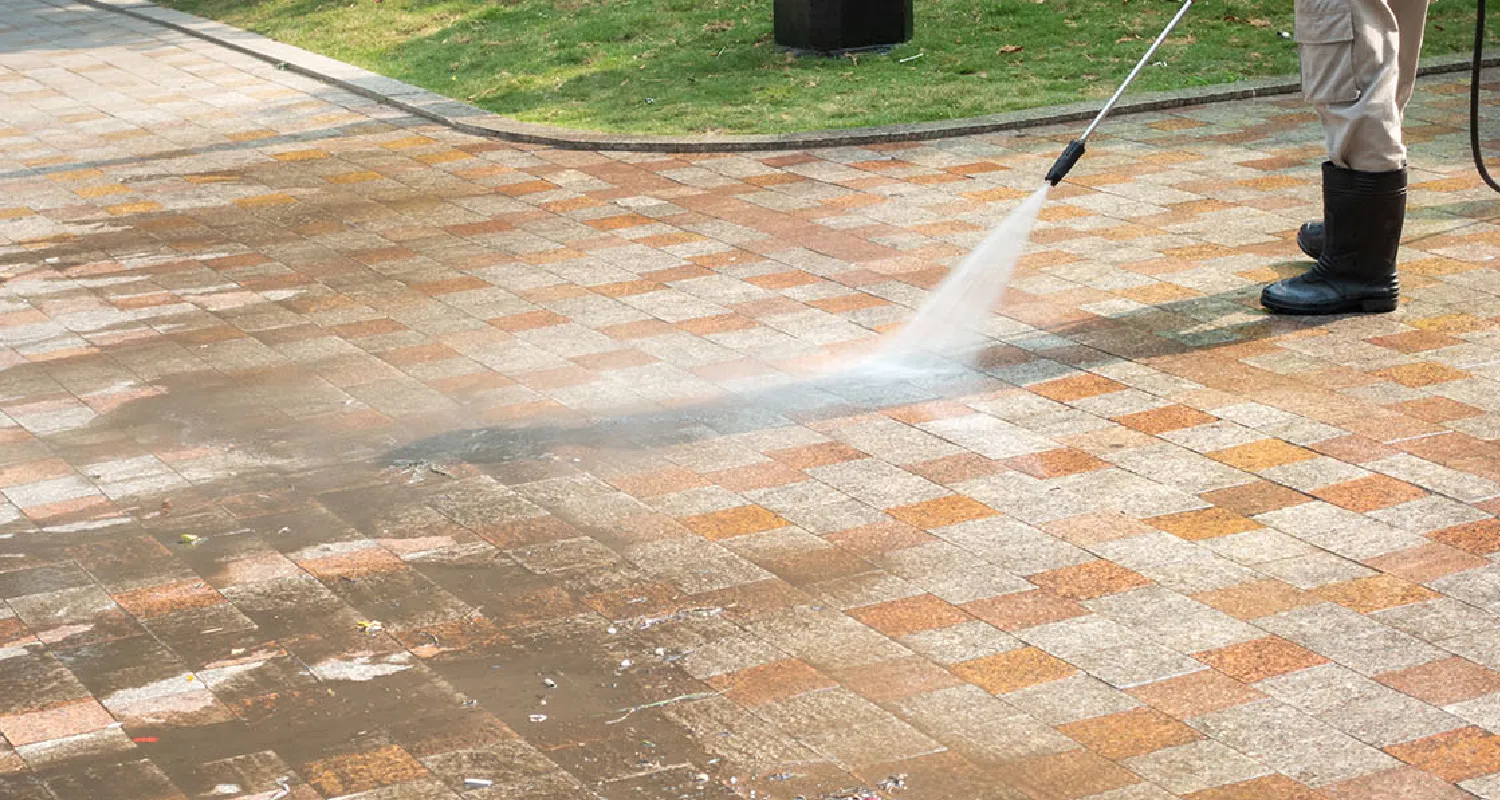
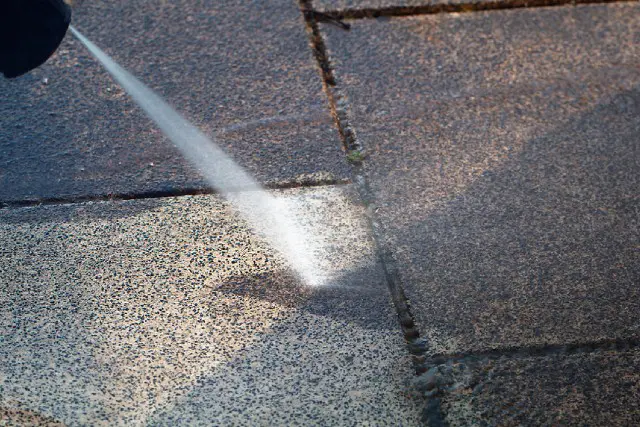
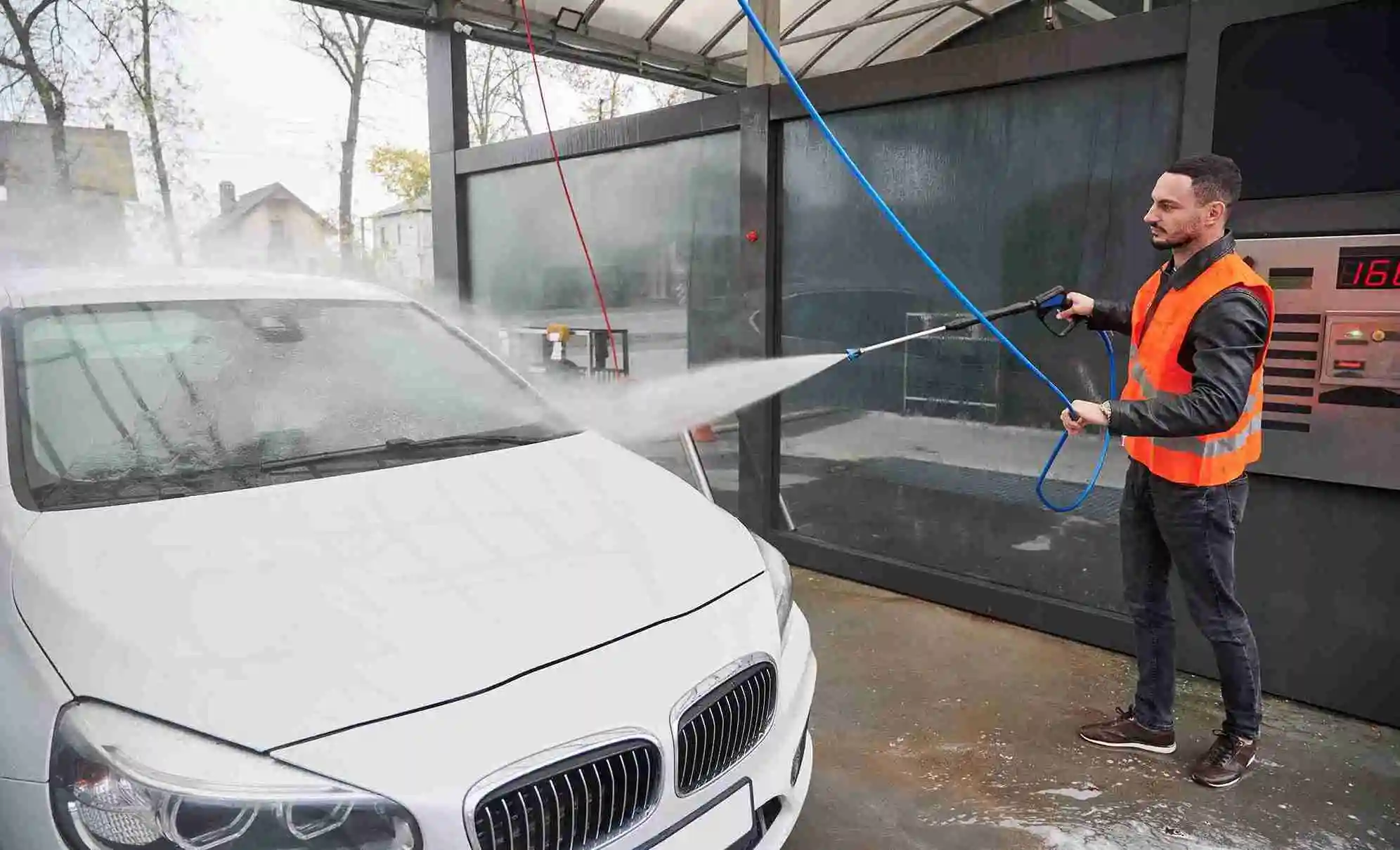
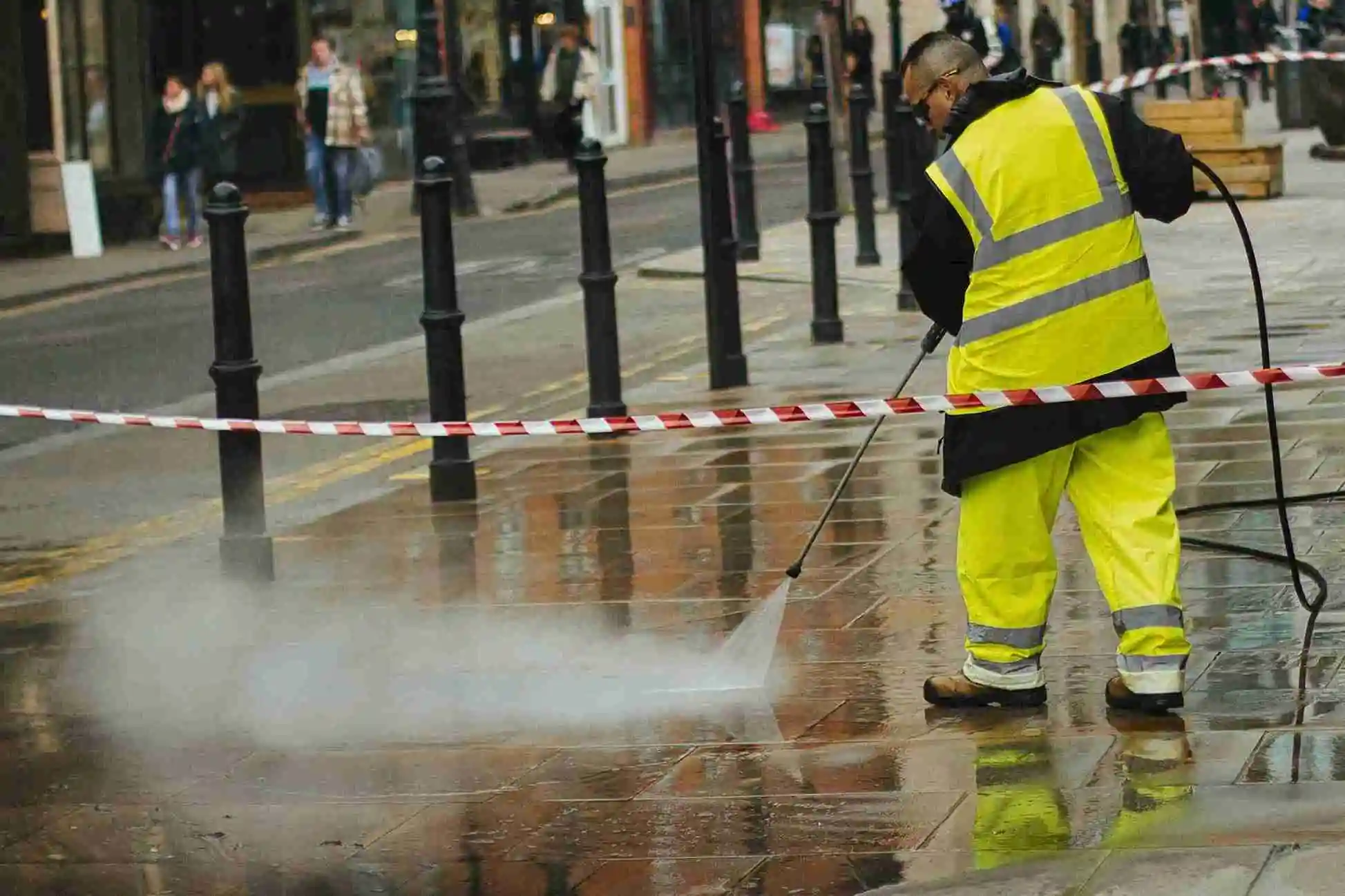
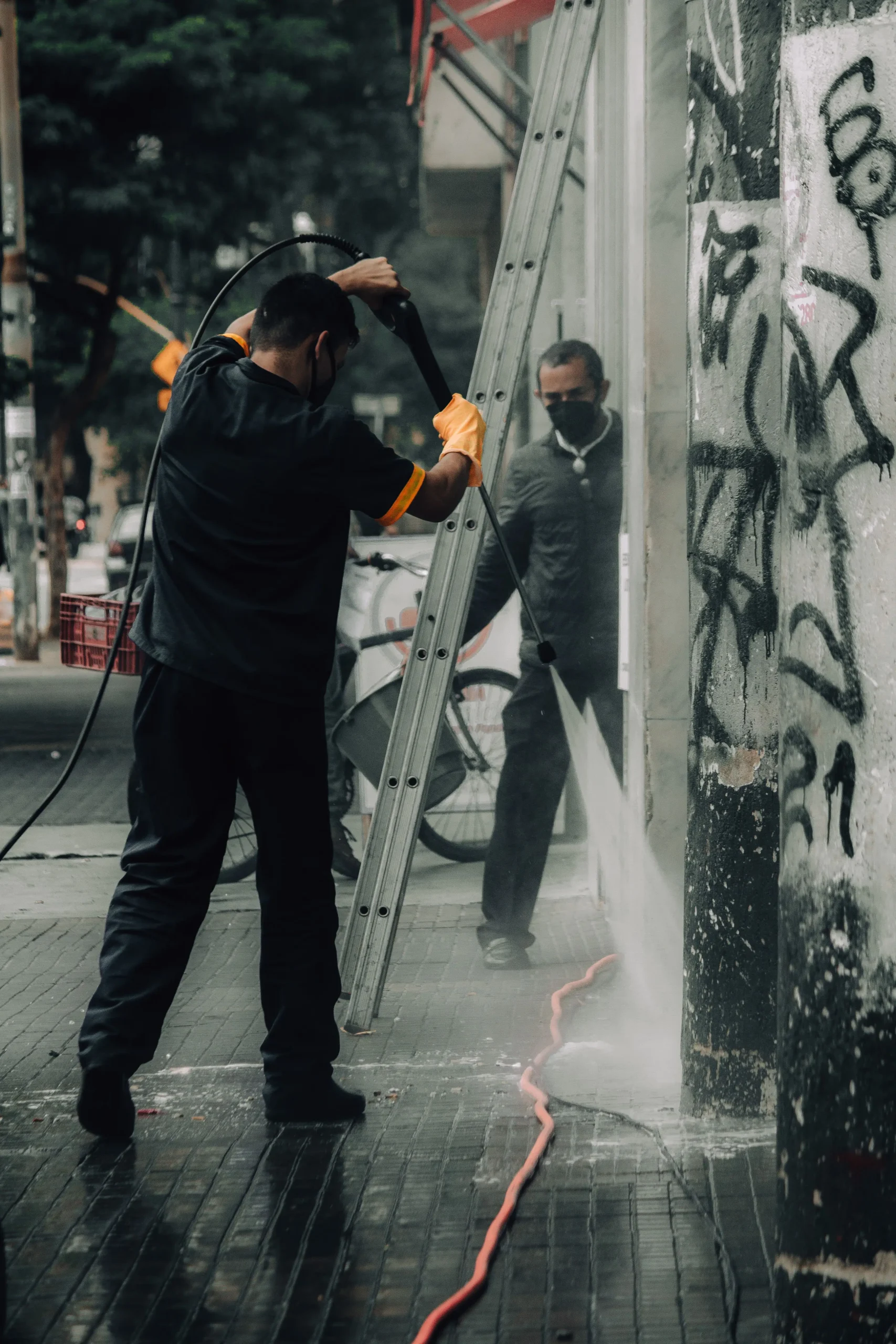
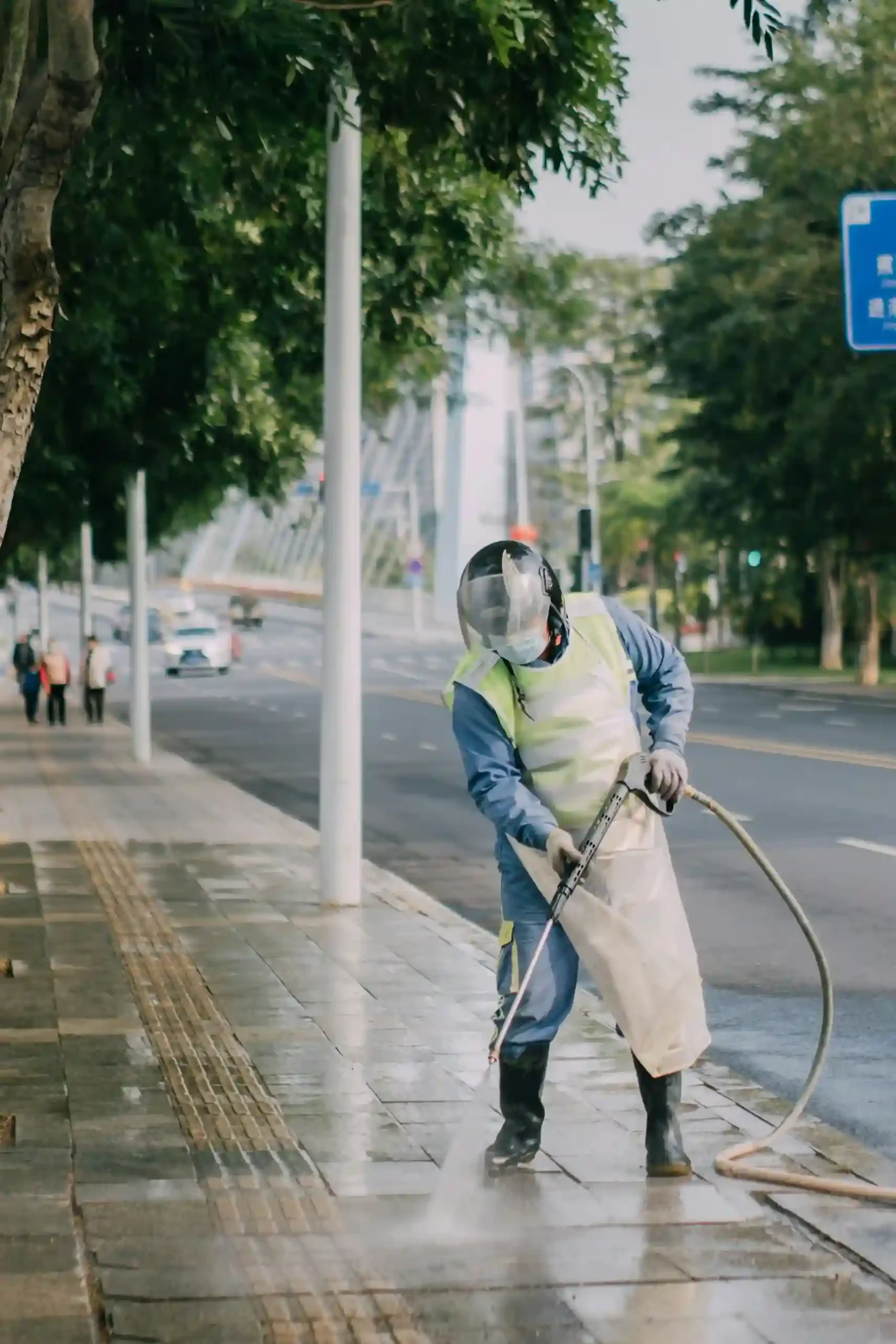
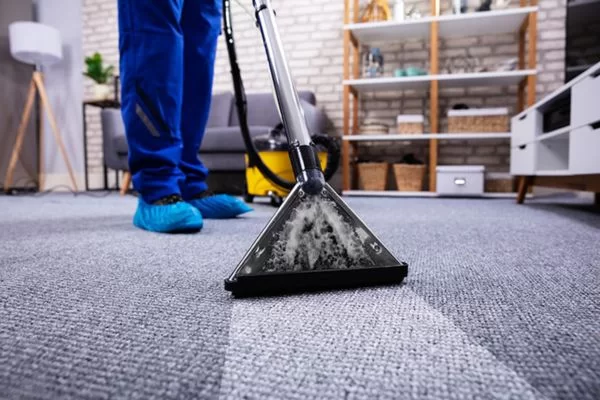
Commercial pressure cleaning uses pressurised water and, where suitable, heat or cleaning detergents to remove built-up grime from commercial surfaces. Common applications include oil and tyre marks in car parks, mould and algae on exterior surfaces, grease around bin areas and ingrained dirt on concrete and pavers. The right cleaning method helps restore surface appearance and remove contaminants that routine cleaning may not address effectively.
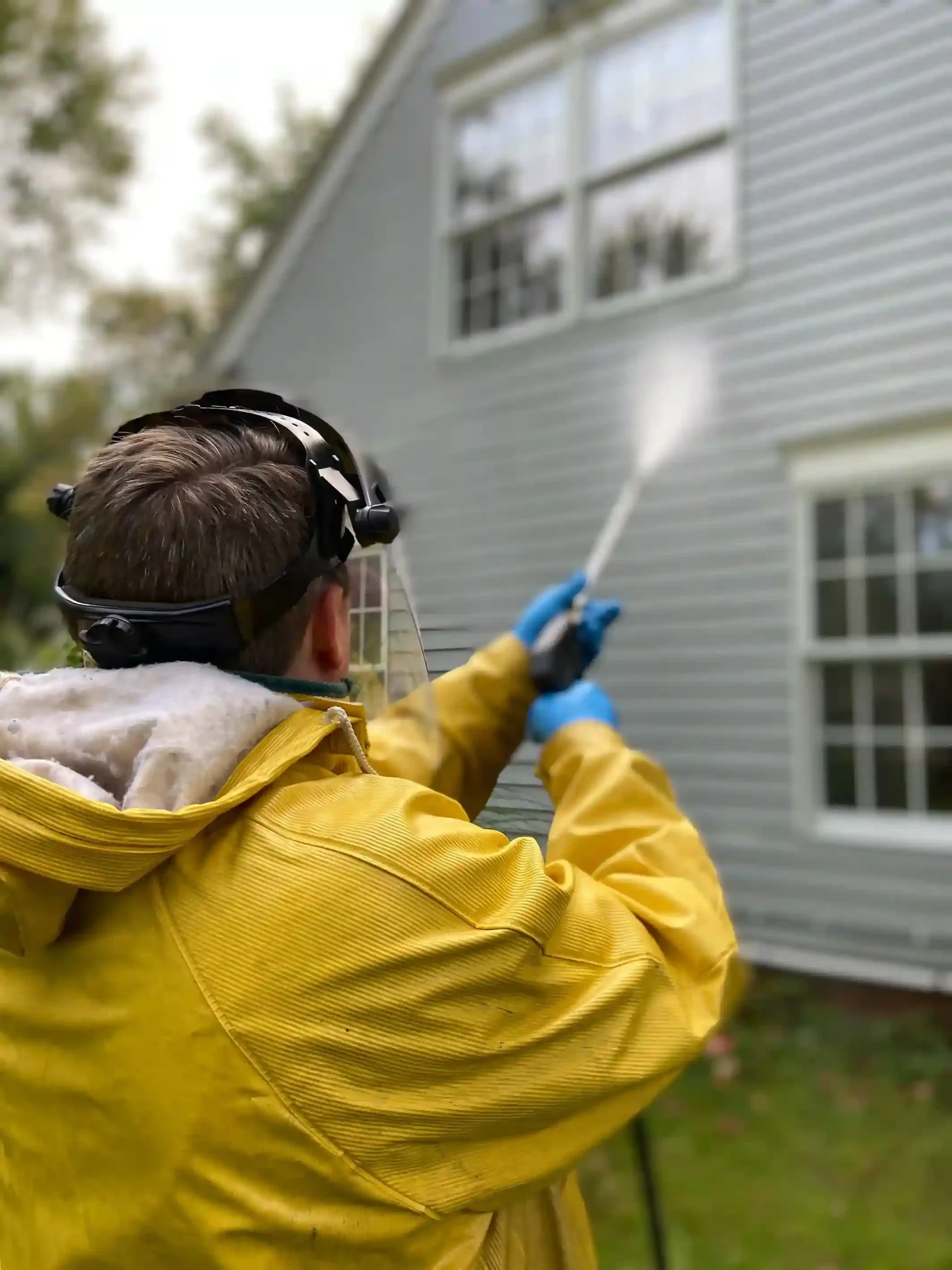
The key is matching the pressure and cleaning method to the surface. Concrete and brick may tolerate higher pressure depending on their condition, while render, painted surfaces, timber and some types of cladding often require lower pressure or soft washing. Heat and suitable detergents can help loosen stubborn oil and grease, while cold-water cleaning may be sufficient for general dirt and grime. Using the wrong method can leave contamination behind or damage the surface. Cleanin assesses the material and its condition before selecting the appropriate pressure, temperature and cleaning technique.
Commercial pressure cleaning also requires attention to wastewater management. Washwater can contain oil, detergents, sediment and other contaminants. If it enters stormwater drains, it may pollute waterways or breach applicable environmental requirements. Cleanin plans wastewater controls according to the site, the contaminants involved and relevant local requirements to help prevent uncontrolled discharge during cleaning.
Cleanin delivers commercial pressure cleaning using trained personnel and suitable equipment, with work scheduled around business operations where practical. The service targets built-up contamination that can affect the appearance and condition of commercial surfaces and may contribute to slippery areas. Cleaning methods are selected according to the surface, site conditions and work requirements.