A clean restaurant helps prevent food contamination, supports food safety compliance, protects expensive kitchen equipment, and creates a good first impression for your business. From busy commercial kitchens to dining areas and washrooms, every part of a restaurant needs regular cleaning to reduce bacteria, grease build-up, allergens, and other hygiene risks. In NSW, maintaining a clean food premises is also a key part of meeting the requirements of the Food Standards Code, helping restaurants prepare for routine inspections and operate safely.
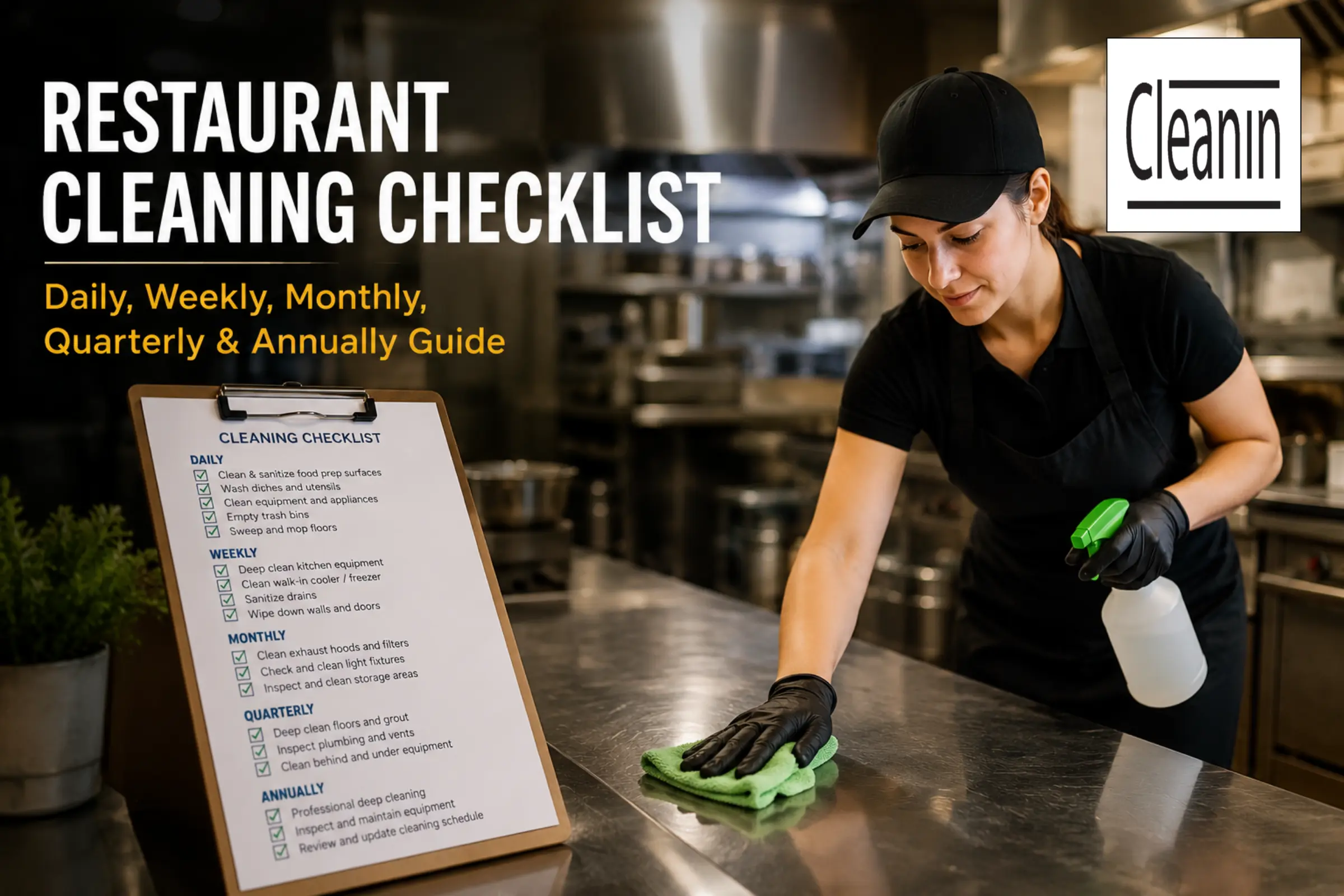
A well-structured restaurant cleaning checklist makes these responsibilities easier to manage. Instead of relying on memory or inconsistent routines, staff can follow a clear schedule that outlines what needs to be cleaned, when it should be cleaned, and who is responsible. Breaking cleaning tasks into daily, weekly, monthly, and deep cleaning activities improves accountability, keeps high-risk areas hygienic, and helps maintain consistent cleaning standards across the entire venue.
While restaurant staff handles routine cleaning throughout the day, some tasks require specialised equipment, industry knowledge, and professional cleaning techniques. Hotels and resorts that operate restaurants or commercial kitchens face the same grease, hygiene and compliance challenges. Professional hotel and resort cleaning services deliver consistent standards across guest areas, dining spaces and back-of-house kitchens so every zone remains guest-ready and inspection-ready.
This guide explains everything you need to know about creating and using an effective restaurant cleaning checklist. You’ll learn which restaurant areas require regular attention, how often different cleaning tasks should be completed, the equipment and cleaning products to use, common cleaning mistakes to avoid, and when it’s time to hire a professional restaurant cleaning service.
What Is a Restaurant Cleaning Checklist?
A restaurant cleaning checklist is a documented schedule that outlines every cleaning task required to keep a restaurant hygienic, safe, and compliant. It specifies what needs to be cleaned, how often it should be cleaned, who is responsible, and the appropriate cleaning method.
An effective restaurant cleaning checklist covers all areas of the restaurant, including the commercial kitchen, food preparation surfaces, cooking equipment, dining areas, washrooms, storage rooms, and waste disposal areas. It also separates tasks into daily, weekly, monthly, and periodic deep cleaning activities, ensuring that both visible cleanliness and hidden hygiene risks are addressed. For restaurant owners and managers, it serves as a practical tool for maintaining operational consistency while supporting food safety and business continuity.
What are the Restaurant Areas That Require Routine Restaurant Cleaning?
A restaurant cleaning checklist should cover every area that influences food safety, staff wellbeing, customer experience, and regulatory compliance. While the commercial kitchen often receives the most attention, dining areas, toilets, storage rooms, and outdoor spaces also require routine cleaning to maintain consistent hygiene standards across the premises.
Commercial Kitchen
- Clean and sanitise stainless steel benches and work surfaces.
- Remove grease from splashbacks and wall surfaces.
- Sweep and mop kitchen floors using food-safe cleaning products.
- Clean sinks, taps, and floor drains.
- Wipe high-touch points such as door handles, switches, and refrigerator handles.
- Remove food debris from corners and under equipment.
Food Preparation Areas
- Preparation benches and chopping boards.
- Knives and food preparation utensils.
- Food processors and mixers.
- Ingredient containers and storage bins.
- Scales and preparation equipment.
- Handwashing stations.
Cooking Equipment
- Grills and charbroilers.
- Deep fryers.
- Ovens.
- Stovetops and burners.
- Salamanders.
- Range hoods and filters.
- Exhaust canopies.
- Microwaves.
Refrigeration and Cool Rooms
- Wipe internal shelves and walls.
- Remove expired or spoiled food.
- Clean door seals and handles.
- Sanitise storage containers.
- Remove spills immediately.
- Clean cool room floors.
- Inspect drainage points for blockages.
Dining Area Cleaning
- Wipe and sanitise tables after every customer.
- Clean chairs and booths.
- Sweep and mop floors.
- Remove fingerprints from glass doors and windows.
- Dust decorative fixtures and ledges.
- Sanitise menus, payment terminals, and condiment stations.
Bar Area Cleaning
- Sanitise bar counters.
- Clean beverage preparation equipment.
- Wash sinks and drains.
- Clean beer taps and drip trays.
- Wipe refrigeration units.
- Remove sticky residue from shelving and flooring.
- Empty rubbish bins regularly.
Toilet Cleaning
- Clean and disinfect toilets and urinals.
- Sanitise wash basins and taps.
- Refill soap, toilet paper, and paper towels.
- Clean mirrors.
- Mop and disinfect floors.
- Empty sanitary and general waste bins.
- Sanitise door handles, locks, and light switches.
Storage Area Cleaning
- Sweep and mop floors.
- Dust shelving.
- Remove unused packaging and waste.
- Organise food and cleaning supplies.
- Check for signs of pests.
- Clean storage containers.
- Keep aisles free from obstructions.
Waste Disposal Areas
Waste disposal area cleaning includes:
- Empty internal bins before they overflow.
- Clean and disinfect waste bins.
- Remove food residue around bin storage areas.
- Wash bin lids and handles.
- Clean the surrounding floors.
- Inspect for pest activity.
- Maintain proper waste segregation and recycling practices.
Entry and Reception Area Cleaning
- Sweep entranceways.
- Mop hard floors.
- Clean entrance mats.
- Wipe reception counters.
- Polish glass doors.
- Remove fingerprints from handles.
- Dust signage and display areas.
Outdoor Dining Areas
- Wipe and sanitise outdoor tables and chairs.
- Sweep paved areas.
- Remove leaves and debris.
- Empty outdoor waste bins.
- Clean umbrellas, barriers, and railings.
- Wash outdoor glass panels where applicable.
- Pressure clean surfaces periodically to remove built-up dirt, grease, and stains.
Restaurant Cleaning Checklist by Frequency
Not every cleaning task needs to be completed at the same time. Some areas require attention after every shift, while others can be cleaned weekly, monthly, or as part of a scheduled deep cleaning program. Organising your restaurant cleaning checklist by frequency helps staff prioritise tasks, maintain consistent hygiene standards, and reduce the risk of missed cleaning responsibilities.
Daily Restaurant Cleaning Checklist
Daily cleaning focuses on high-risk areas that come into constant contact with food, customers, and staff. Completing these tasks throughout the day helps prevent grease build-up, minimise cross-contamination, and maintain a clean environment for both employees and diners.
| Area | Daily Cleaning Task |
|---|---|
| Commercial Kitchen | Clean and sanitise benches and food preparation surfaces. Sweep and mop kitchen floors |
| Cooking Equipment | Wipe grills, stovetops and fryers after use Empty grease trays where required |
| Refrigeration | Clean spills and sanitise refrigerator handles |
| Food Preparation | Wash chopping boards, knives and utensils |
| Dining Area | Wipe and sanitise tables and chairs Vacuum or mop floors |
| Bar Area | Clean counters, sinks and beverage stations |
| Toilets | Clean toilets, basins and refill consumables |
| Waste Areas | Empty rubbish bins and replace liners |
| High-touch Surfaces | Disinfect door handles, switches and EFTPOS terminals |
Weekly Restaurant Cleaning Checklist
Weekly cleaning targets areas that accumulate dirt and grease over time but don’t require daily attention. These tasks help maintain equipment performance, improve presentation, and prevent hygiene issues from developing.
| Area | Weekly Cleaning Task |
|---|---|
| Kitchen | Clean walls, splashbacks and tiled surfaces |
| Cooking Equipment | Deep clean ovens and grills |
| Exhaust System | Wash range hood filters |
| Refrigeration | Clean refrigerator and freezer shelving |
| Storage Areas | Organise shelving and remove expired stock |
| Dining Area | Dust skirting boards, light fittings and décor |
| Windows | Clean internal glass and mirrors |
| Floor Drains | Flush and clean floor drains |
| Waste Area | Wash and disinfect waste bins |
| Outdoor Area | Sweep and clean outdoor seating areas |
Monthly Restaurant Cleaning Checklist
Monthly cleaning focuses on preventive maintenance and areas that are easily overlooked during daily operations. Completing these tasks regularly helps extend the lifespan of equipment, improve workplace safety, and maintain long-term hygiene standards.
| Area | Monthly Cleaning Task |
|---|---|
| Kitchen | Move equipment and clean underneath |
| Refrigeration | Clean condenser coils where accessible |
| Exhaust System | Inspect ductwork and canopy condition |
| Floors | Machine scrub hard floors and grout |
| Walls & Ceilings | Remove grease, dust and cobwebs |
| Lighting | Clean light fittings and vents |
| Storage | Review stock organisation and clean shelving |
| Pest Prevention | Inspect for signs of pest activity |
Quarterly Deep Cleaning Checklist
Some cleaning tasks require specialised equipment, commercial-grade chemicals, or trained professionals. Quarterly deep cleaning removes built-up grease, restores hard surfaces, and helps restaurants maintain compliance with NSW food safety and workplace hygiene requirements.
| Area | Quarterly Deep Cleaning Task |
|---|---|
| Exhaust Canopy | Professional canopy and filter cleaning |
| Extraction System | Clean accessible ductwork |
| Kitchen Floors | Deep scrub and degrease floors |
| Tile & Grout | Deep clean grout lines and tiled surfaces |
| Cool Rooms | Complete deep clean and sanitisation |
| High-Level Areas | Clean ceilings, pipes and overhead fixtures |
| External Areas | Pressure clean pathways and service areas |
| Windows | Clean external glazing |
Annual Restaurant Cleaning Tasks
Annual cleaning provides a comprehensive reset for the restaurant by addressing areas that cannot be maintained through routine cleaning alone. Scheduling these services helps preserve equipment, improve workplace safety, and maintain a professional standard throughout the facility.
| Area | Annual Cleaning Task |
|---|---|
| Kitchen Extraction | Complete extraction system cleaning |
| Range Hood System | Professional canopy and duct cleaning |
| Flooring | Strip, seal or polish hard floors where required |
| Carpets | Deep clean carpeted areas |
| High-Level Cleaning | Clean ceilings, beams, vents and light fittings |
| Building Exterior | Pressure wash external walls and entrances |
| Windows | Full internal and external window cleaning |
| Restaurant | Comprehensive end-to-end deep cleaning inspection |
Commercial Kitchen Equipment Cleaning Checklist
Commercial kitchen equipment is used continuously throughout the day, making it one of the biggest sources of grease, food residue, and bacteria in a restaurant. Regular cleaning keeps equipment operating efficiently, extends its lifespan, and helps maintain food safety standards. While daily cleaning removes surface contamination, periodic deep cleaning is essential for equipment that accumulates grease or is difficult to access.
Grills
- Scrape cooking surfaces after use
- Remove grease and food residue
- Clean drip trays
- Wipe exterior surfaces
- Inspect burners for blockages
Deep Fryers
- Filter or replace cooking oil as required
- Remove food crumbs from the fryer
- Clean fryer baskets
- Wipe exterior surfaces
- Schedule periodic boil-out deep cleaning
Ovens
- Remove food residue
- Clean oven racks and trays
- Wipe interior and exterior surfaces
- Clean oven doors and handles
- Inspect door seals
Range Hoods
- Wipe hood surfaces
- Remove grease from accessible areas
- Clean or replace grease filters
- Inspect for excessive grease accumulation
Exhaust Canopies
- Inspect canopy condition
- Remove visible grease build-up
- Clean accessible surfaces
- Schedule professional canopy and duct cleaning
Coffee Machines
- Clean group heads and steam wands
- Empty drip trays
- Wash removable components
- Backflush the machine where applicable
- Descale according to manufacturer recommendations
Dishwashers
- Clean filters
- Remove food debris
- Wipe door seals
- Clean spray arms
- Check rinse aid and detergent levels
Ice Machines
- Empty and sanitise the ice bin
- Clean internal surfaces
- Inspect water filters
- Remove mineral deposits
- Follow the manufacturer’s cleaning schedule
Refrigerators
- Wipe shelves and internal surfaces
- Clean door handles and seals
- Remove expired food
- Clean storage containers
- Check operating temperature
Freezers
- Remove ice build-up where required
- Clean shelving and storage bins
- Wipe door seals
- Organise frozen stock
- Verify freezer temperature
Restaurant Cleaning Supplies and Equipment Checklist
Using the right cleaning supplies and equipment is just as important as following a structured cleaning checklist. Different surfaces, food-contact areas, and commercial kitchen equipment require specific products to remove grease, eliminate bacteria, and maintain hygiene without causing damage. Choosing food-safe, commercial-grade cleaning tools also helps restaurants comply with NSW food safety requirements and achieve consistent cleaning results.
Cleaning Chemicals
- Degreasers for cooking equipment and exhaust systems
- Neutral floor cleaners
- Glass cleaners
- Multi-purpose surface cleaners
- Descaling solutions
- Stainless steel cleaners
Food-safe Sanitisers
- Food preparation benches
- Chopping boards
- Knives and utensils
- Stainless steel work surfaces
- Food storage containers
- Serving equipment
Microfibre Cleaning Systems
- Wiping food preparation surfaces
- Cleaning tables and counters
- Dusting fixtures and furniture
- Damp mopping hard floors
- Cleaning glass and stainless steel
Floor Cleaning Equipment
- Commercial mops and buckets
- Wet floor signs
- Floor scrubbers
- Wet and dry vacuum cleaners
- Steam cleaners
- Pressure washers for external areas
Colour-coded Cleaning Tool
| Colour | Recommended Area |
|---|---|
| Red | Toilets and washrooms |
| Blue | General surfaces and dining areas |
| Green | Food preparation areas |
| Yellow | Wash basins and low-risk cleaning areas |
Personal Protective Equipment (PPE)
- Disposable or reusable gloves
- Safety glasses or goggles
- Face masks where required
- Non-slip safety footwear
- Protective aprons
- High-visibility clothing for external cleaning tasks
NSW Restaurant Cleaning and Food Safety Requirements
Maintaining a clean restaurant in NSW is not only a good housekeeping, it’s a legal responsibility. Food businesses are expected to follow food safety and workplace health regulations that minimise contamination risks, protect employees, and ensure food is prepared in a hygienic environment.
A structured restaurant cleaning checklist helps demonstrate that cleaning tasks are carried out consistently and supports compliance during routine inspections.
Food Standards Australia New Zealand (FSANZ)
The Food Standards Australia New Zealand (FSANZ) Food Standards Code, particularly Standard 3.2.2 – Food Safety Practices and General Requirements, sets out the hygiene requirements for food businesses. It requires restaurants to keep food premises, equipment, and food-contact surfaces clean and in a sanitary condition to minimise contamination and protect public health.
To support these requirements, restaurants should:
- Clean and sanitise food-contact surfaces regularly.
- Keep kitchen equipment and utensils hygienic.
- Maintain clean floors, walls, and food preparation areas.
- Prevent cross-contamination during food handling.
- Follow documented cleaning procedures.
Food Act 2003 (NSW)
The Food Act 2003 (NSW) provides the legal framework for food safety within the state. It requires food businesses to operate safely and ensure food sold to customers is suitable for consumption. Poor cleaning practices that lead to contamination can result in improvement notices, penalties, or enforcement action.
NSW Food Authority Guidelines
The NSW Food Authority provides practical guidance to help restaurants meet their food safety obligations. While cleaning schedules may differ depending on the size and type of venue, every food business should have clear cleaning procedures that are followed by all staff.
Good practice includes:
- Assigning cleaning responsibilities to staff.
- Following daily, weekly, and periodic cleaning schedules.
- Keeping cleaning equipment clean and well maintained.
- Separating food preparation and cleaning activities.
- Recording completed cleaning tasks where appropriate.
HACCP Principles
Many restaurants use Hazard Analysis and Critical Control Point (HACCP) principles to strengthen their food safety management systems. Although HACCP certification is not mandatory for every restaurant, its preventive approach helps businesses identify hygiene risks before they become food safety issues.
A restaurant cleaning checklist supports HACCP by:
- Reducing cross-contamination risks.
- Maintaining hygienic food preparation areas.
- Ensuring equipment is cleaned consistently.
- Supporting cleaning verification and staff accountability.
- Establishing repeatable cleaning procedures across every shift.
Work Health and Safety Requirements
Restaurant cleaning should also comply with Work Health and Safety (WHS) requirements to protect employees while cleaning. Staff should receive appropriate training, use cleaning chemicals safely, and wear suitable personal protective equipment (PPE) when handling hazardous substances or performing higher-risk cleaning tasks.
To improve workplace safety, restaurants should:
- Follow Safety Data Sheets (SDS) for cleaning chemicals.
- Wear appropriate PPE such as gloves and non-slip footwear.
- Display wet floor signs during floor cleaning.
- Store chemicals separately from food and food preparation equipment.
- Ensure cleaning equipment is properly maintained and safe to use.
Meeting NSW food safety and workplace safety requirements starts with consistent daily cleaning but also includes periodic deep cleaning of commercial kitchens, exhaust systems, and other high-risk areas. Combining a well-maintained restaurant cleaning checklist with professional restaurant cleaning services helps businesses maintain compliance, reduce food safety risks, and provide a clean, safe environment for staff and customers.