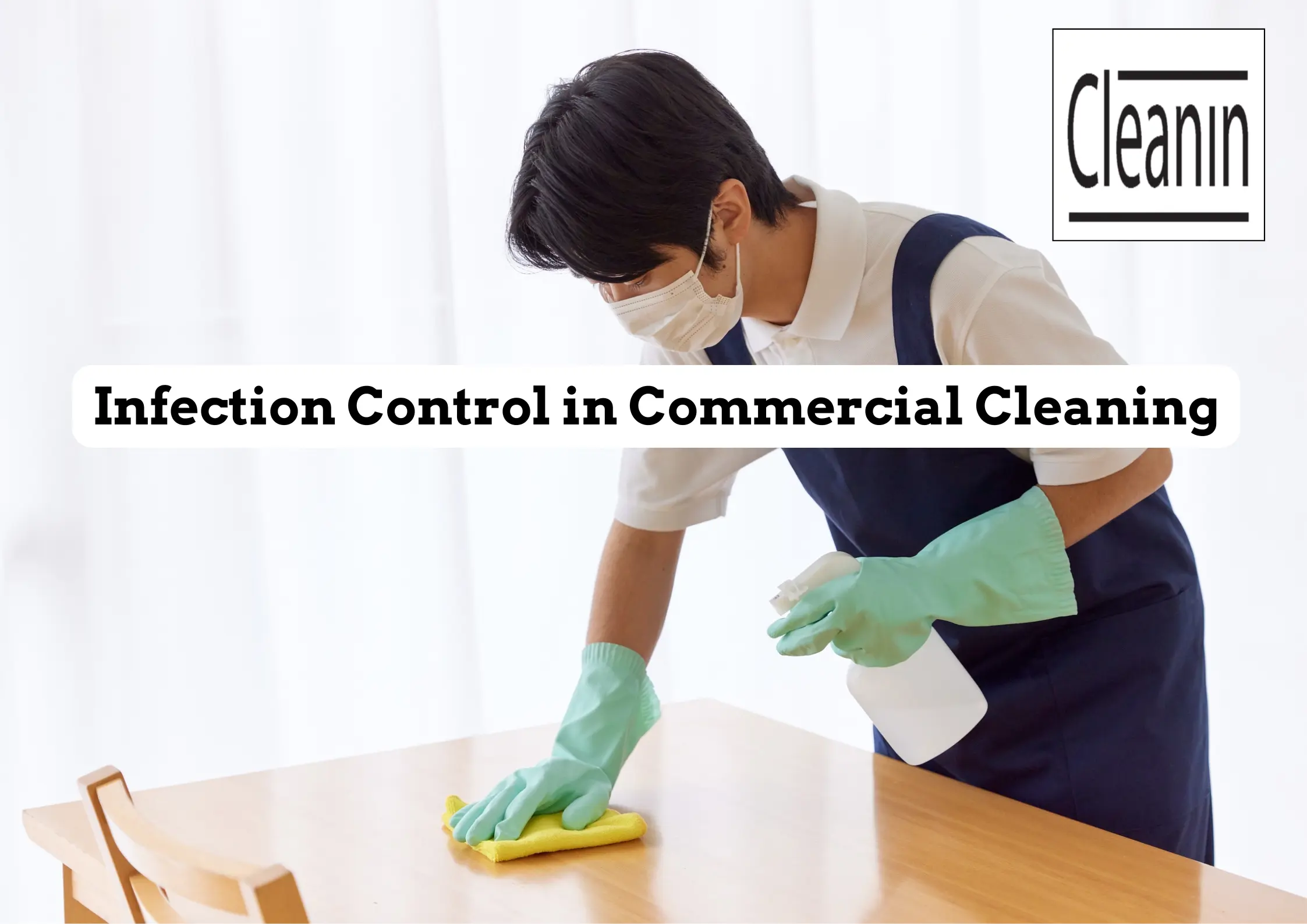
A hospital cleaning checklist is a structured list of cleaning, disinfection, inspection, and infection-control tasks used to maintain hygiene, patient safety, regulatory compliance, and environmental cleanliness throughout a healthcare facility. It defines what areas must be cleaned, how frequently cleaning should occur, what products and equipment should be used, and the standards required to reduce healthcare-associated infection risks.
Hospital environments contain vulnerable patients, high-touch surfaces, bodily fluids, medical equipment, and critical treatment areas. Because of these risks, hospital cleaning extends beyond general commercial cleaning and forms an essential component of infection prevention and healthcare facility management. Hospitals that follow a documented hospital cleaning checklist achieve greater cleaning consistency, stronger infection control outcomes, improved patient confidence, and better compliance with healthcare regulations and accreditation requirements.
While hospitals require specialised infection-control procedures, many routine cleaning principles align with a comprehensive Checklist for Commercial Cleaning, including scheduled inspections, high-touch surface cleaning, waste management, and floor maintenance.
Daily Hospital Cleaning Checklist
Daily hospital cleaning focuses on patient-contact surfaces, clinical environments, shared facilities, and high-touch points where contamination can spread rapidly.
Patient Rooms
Clean and disinfect bed rails
Clean bedside tables
Wipe over-bed tables
Disinfect nurse call buttons
Clean chairs and furniture
Clean hand-contact surfaces
Empty waste bins
Replace liners
Mop floors
Inspect room cleanliness
Nursing Stations
Disinfect workstations
Clean telephones
Wipe keyboards and computer equipment
Clean counters
Disinfect shared devices
Remove visible dust
High-Touch Surfaces
Clean door handles
Disinfect handrails
Clean lift buttons
Wipe light switches
Clean push plates
Disinfect touchscreens
Clean shared contact surfaces
Bathrooms
Clean toilets
Disinfect sinks
Clean taps
Sanitize shower fixtures
Refill soap dispensers
Refill paper products
Empty sanitary waste bins
Mop floors
Waiting Areas
Clean seating
Disinfect armrests
Clean reception counters
Vacuum carpets
Mop hard floors
Remove litter
Empty bins
Weekly Hospital Cleaning Checklist
Weekly hospital cleaning addresses contamination and buildup not removed during routine daily cleaning.
Patient Care Areas
- Deep clean patient rooms
- Clean bed frames
- Clean storage cabinets
- Disinfect wall-mounted equipment
- Clean room furnishings
- Remove accumulated dust
Floors
Machine scrub hard floors
Edge clean floor perimeters
Deep clean floor corners
Remove scuff marks
Inspect floor condition
Restore floor appearance
Glass and Internal Surfaces
Clean internal windows
Polish glass partitions
Remove fingerprints
Clean reception glass
Clean viewing panels
Ventilation Components
Dust air vents
Clean return grilles
Remove visible dust from HVAC covers
Inspect ventilation cleanliness
Staff Facilities
Deep clean break rooms
Clean lockers
Sanitize kitchen surfaces
Clean dining areas
Remove accumulated waste
Monthly Hospital Cleaning Checklist
Monthly cleaning focuses on preventative maintenance and environmental hygiene management.
High-Level Cleaning
Dust ceilings
Clean light fittings
Clean ceiling vents
Remove cobwebs
Clean exposed pipework
Clean high ledges
Environmental Cleaning
Clean wall surfaces
Clean behind furniture
Clean behind equipment
Deep clean storage areas
Remove accumulated dust and debris
Air Quality Management
Clean HVAC registers
Inspect ventilation systems
Remove dust accumulation
Clean air-return components
Report maintenance concerns
Furniture and Fixtures
Deep clean chairs
Clean upholstery
Disinfect furniture surfaces
Inspect damage
Restore appearance where required
Quarterly Hospital Cleaning Checklist
External Hospital Areas
Pressure clean entrances
Wash walkways
Clean loading zones
Remove external debris
Clean external hard surfaces
Floor Restoration
Strip worn floor finishes
Reseal flooring where required
Burnish polished surfaces
Restore protective coatings
Deep clean hard floors
Inspect floor condition
Window and Facade Cleaning
Clean external windows
Clean façade glass
Clean skylights
Remove water stains
Restore glass clarity
Whole-Facility Deep Cleaning
Perform comprehensive environmental cleaning
Deep clean difficult-access areas
Inspect contamination-prone zones
Review cleaning outcomes
Conduct quality assurance inspections
Update cleaning schedules where required
Hospital Cleaning Checklist by Risk Level
Hospital cleaning does not apply the same cleaning procedures across every area of a healthcare facility. Different hospital environments present different contamination risks, patient vulnerabilities, and infection-control requirements. For this reason, hospitals typically implement a risk-based cleaning approach where cleaning frequencies, disinfection protocols, and inspection requirements are determined by the level of infection risk associated with each area.
Low-Risk Area Cleaning Checklist
- Dust desks, furniture, and workstations
- Disinfect shared touchpoints such as door handles and light switches
- Vacuum carpets and soft furnishings
- Mop hard flooring surfaces
- Empty waste bins and replace liners
- Clean internal glass and partitions
- Remove visible dust from vents and air returns
- Inspect areas for cleanliness and presentation standards
Medium-Risk Area Cleaning Checklist
- Clean and disinfect patient-contact surfaces
- Clean bedside tables and furniture
- Disinfect chairs, armrests, and shared equipment
- Clean handrails and door handles
- Disinfect nurse call buttons
- Clean sinks and bathroom fixtures
- Remove clinical and general waste
- Mop floors using approved healthcare cleaning products
- Inspect rooms for contamination risks
- Document cleaning completion where required
High-Risk Area Checklist
- Follow isolation and infection-control protocols before entry
- Wear required PPE
- Disinfect all patient-contact surfaces
- Clean and disinfect medical equipment exteriors
- Clean bed rails and patient furniture
- Disinfect high-touch surfaces multiple times daily
- Safely remove clinical waste
- Clean bathrooms using healthcare-grade disinfectants
- Perform terminal cleaning after patient discharge when required
- Record cleaning activities for compliance purposes
Critical-Risk Area Cleaning Checklist
- Follow operating theatre cleaning protocols
- Wear designated PPE and sterile protective equipment
- Clean and disinfect all clinical surfaces before and after procedures
- Remove blood and bodily fluid contamination immediately
- Perform terminal cleaning following surgical procedures
- Clean lighting fixtures, theatre furniture, and equipment surfaces
- Disinfect walls, floors, and touchpoints using approved healthcare disinfectants
- Verify cleaning outcomes through inspection procedures
- Maintain cleaning records and compliance documentation
- Complete quality assurance checks before room release
Kitchen Cleaning Tools and Equipment Checklist
A well-equipped kitchen cleaning system uses the right tools and equipment to ensure hygiene, prevent cross-contamination, and maintain food safety standards. This checklist covers essential tools used in residential, commercial, and industrial kitchen environments.
Manual Cleaning Tools Checklist
- Microfibre cloths for wiping and sanitising surfaces
- Heavy-duty scrubbing pads for removing grease and burnt residues
- Soft sponges for general cleaning of utensils and surfaces
- Scrub brushes for corners, grout lines, and hard-to-reach areas
- Detail brushes for taps, sinks, and small equipment parts
- Disposable cleaning wipes for quick sanitisation of high-touch areas
- Squeegees for cleaning glass, stainless steel, and smooth surfaces
Degreasing and Deep Cleaning Tools Checklist
- Commercial-grade degreasers for ovens, grills, and fryers
- Spray bottles for applying cleaning and sanitising solutions
- Steam cleaning machines for deep grease and bacteria removal
- Scrapers for removing stubborn food and carbon buildup
- Scouring pads for heavy-duty surface cleaning
- Heat-resistant gloves for handling hot or recently used equipment
Floor Cleaning Equipment Checklist
- Dry dust mops for daily floor cleaning
- Wet mops with bucket system for sanitised floor washing
- Microfibre flat mops for smooth commercial flooring
- Floor scrubbers for deep cleaning large kitchen areas
- Wet and dry vacuum cleaners for liquid and debris removal
- Floor squeegees for removing excess water and preventing slips
Dishwashing and Sink Area Equipment Checklist
- Dishwashing sponges and scrubbers
- Sink strainers for food waste collection
- Dish racks for drying and organising cleaned utensils
- Commercial dishwashers (for high-volume kitchens)
- Sink cleaning brushes for drains and corners
- Sanitising solutions for sink and dishwashing areas
Waste Management Equipment Checklist
- Colour-coded waste bins for segregation (general, organic, recycling)
- Food waste containers with tight-seal lids
- Grease disposal containers for oil and fat waste
- Bin liners for hygiene and easy waste handling
- Waste trolleys for transporting kitchen waste safely
- Sharps containers (for commercial or food processing kitchens if required)
Hospital Cleaning Chemicals and Disinfectants Checklist
General Purpose Cleaning Chemicals Checklist
- Neutral pH detergents for routine surface cleaning
- Hospital-grade all-purpose cleaners for daily environmental cleaning
- Liquid soaps for handwashing stations
- Mild surfactant-based cleaners for non-critical surfaces
- Pre-cleaning solutions for removing dust and organic matter
- Enzyme-based cleaners for breaking down organic residues
Hospital-Grade Disinfectants Checklist
- Sodium hypochlorite (bleach-based disinfectants) for high-risk areas
- Hydrogen peroxide-based disinfectants for broad-spectrum antimicrobial action
- Quaternary ammonium compounds (Quats) for routine surface disinfection
- Alcohol-based disinfectants (70% isopropyl or ethanol solutions) for rapid sanitisation
- Chlorine-releasing agents for contamination control in spill areas
- Peracetic acid solutions for high-level disinfection of critical environments
High-Level Disinfection Chemicals Checklist
- Glutaraldehyde solutions for medical instrument disinfection
- Orthophthalaldehyde (OPA) for heat-sensitive equipment
- High-level disinfectant solutions for reusable medical devices
- Sterilant chemicals for critical surgical tools (where applicable)
- Instrument soaking solutions for reusable clinical equipment
Biohazard and Spill Management Chemicals Checklist
- Blood and body fluid spill kits with disinfectant agents
- Chlorine granules or powder disinfectants for spill absorption
- Strong oxidising agents for infectious waste decontamination
- Enzyme-based biohazard cleaners for organic contamination
- Rapid-action disinfectant sprays for emergency spill response
- Odour-neutralising disinfectants for contaminated zones
Surface-Specific Cleaning Chemicals Checklist
- Stainless steel cleaners for medical equipment and fixtures
- Glass and mirror cleaning solutions for patient rooms and offices
- Floor disinfectant solutions for wards, corridors, and waiting areas
- Wall-safe disinfectants for painted and tiled surfaces
- Furniture-safe cleaning agents for chairs, beds, and tables
- Carpet and upholstery disinfectant shampoos for fabric areas
Medical Equipment Cleaning Chemicals Checklist
- Non-corrosive disinfectants for sensitive medical devices
- Low-residue cleaning solutions for diagnostic equipment
- Anti-microbial wipes for monitors, keyboards, and control panels
- Probe and sensor-safe disinfectant solutions
- Alcohol-free disinfectants for delicate electronic equipment
- Instrument pre-soak cleaning agents
Air and Environmental Disinfection Chemicals Checklist
- Air sanitising sprays for enclosed clinical spaces
- Fogging disinfectant solutions for terminal cleaning procedures
- Hydrogen peroxide vapour (HPV) disinfectants for whole-room decontamination
- HVAC-safe antimicrobial cleaning agents for ventilation systems
- Odour control disinfectants for patient rooms and waste areas
PPE-Compatible Cleaning Chemicals Checklist
- Skin-safe hand sanitising solutions (alcohol-based gels)
- Antibacterial handwash liquids for staff hygiene stations
- Surface-safe disinfectants compatible with PPE use
- Non-irritant cleaning agents for frequent-use environments
- Chemical dilution solutions for safe handling and mixing
Eco-Friendly and Low-Toxicity Cleaning Chemicals Checklist
- Green-certified hospital disinfectants (GECA or equivalent standards)
- Low-VOC (volatile organic compound) cleaning solutions
- Biodegradable surface cleaners
- Non-toxic enzyme-based cleaners for general use areas
- Environmentally safe sanitising agents for routine cleaning
Using the correct chemical for each surface and risk level is a core part of effective infection control. Many healthcare facilities support these protocols with professional hospital and medical cleaning services that apply hospital-grade products and documented procedures across clinical and non-clinical areas.