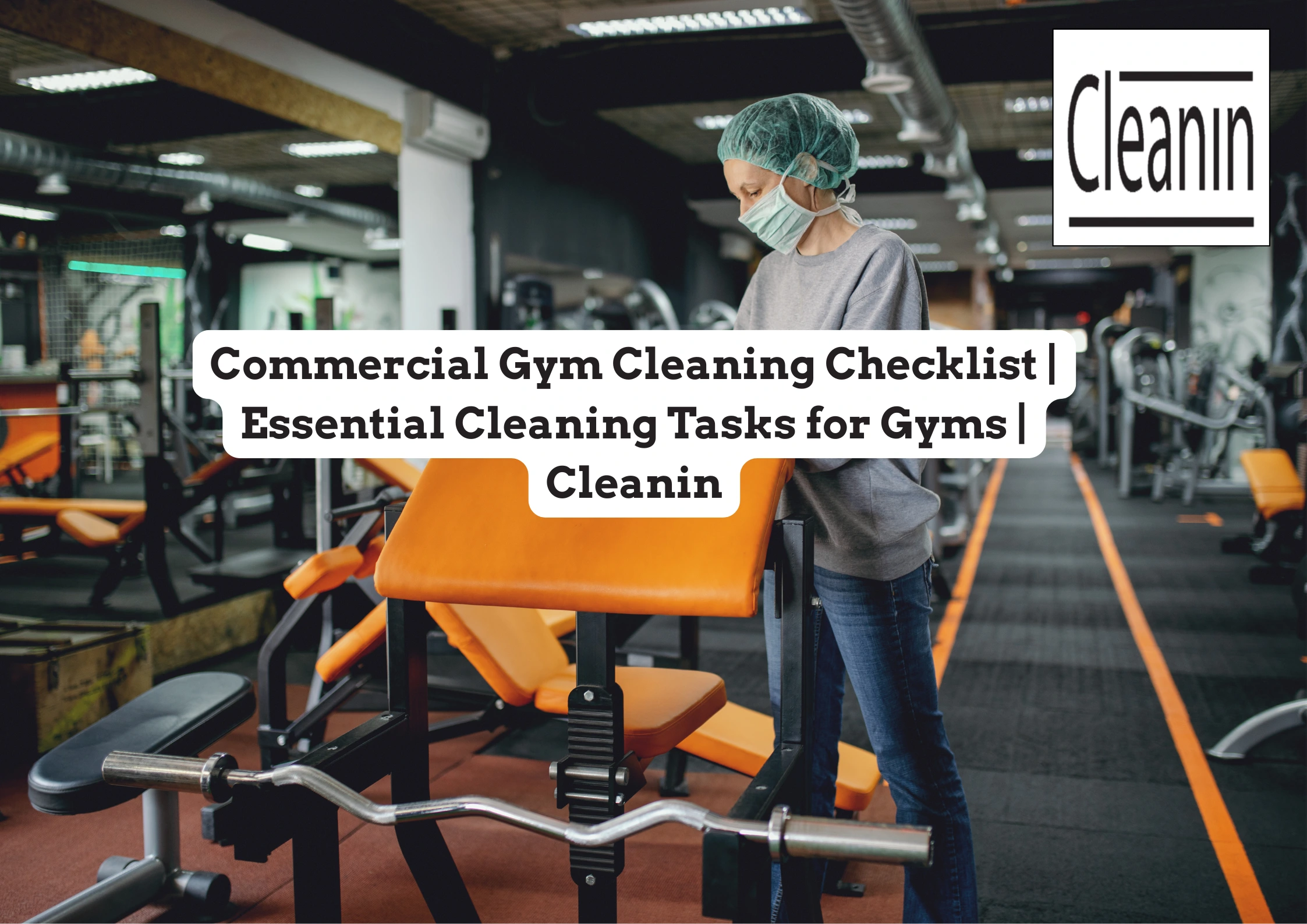
A commercial gym cleaning checklist is a structured operational system used by a professional commercial cleaning service to manage hygiene, safety, and contamination control across fitness facilities. It defines cleaning tasks, frequency cycles, equipment standards, and compliance requirements for commercial gyms such as fitness centres, training studios, and health clubs.
Commercial gyms are high-contact environments where members repeatedly touch shared equipment, flooring, lockers, and wet areas. Sweat, moisture, skin contact, and high foot traffic create continuous pressure on hygiene. A structured commercial gym cleaning checklist ensures that cleaning is not random or visual-only, but systematically executed to control infection risk, maintain equipment lifespan, and support a safe member experience. Similar principles are found in a comprehensive commercial cleaning checklist, where cleaning tasks, frequencies, and hygiene controls are documented to support consistent facility maintenance.
For facility managers and gym owners, this checklist acts as a decision framework for evaluating a commercial cleaning service, defining service scope, and maintaining compliance with workplace hygiene and safety expectations.
Daily Commercial Gym Cleaning Checklist
A daily commercial gym cleaning checklist covers equipment surfaces, change rooms and showers, bathrooms, floors, entry and reception areas, and waste removal. These are the tasks where a 24-hour gap between cleans creates a measurable hygiene or safety risk given the occupancy volume and skin-contact frequency of a fitness facility.
Daily cleaning focuses on maintaining hygiene throughout operating hours and removing contamination from high-contact surfaces.
Reception and Entry Areas
- Clean reception counters and POS systems
- Disinfect doors and glass surfaces
- Empty bins and remove waste
- Vacuum entrance mats
Equipment Contact Points
- Disinfect treadmill handles and consoles
- Clean dumbbell and barbell grips
- Sanitize machine adjustment points
- Remove sweat residues
Floors and Training Areas
- Sweep and vacuum all gym floors
- Damp mop high-traffic zones
- Spot clean spills immediately
- Disinfect stretching mats
Bathrooms and Change Rooms
- Clean toilets, sinks, and showers
- Disinfect taps and touchpoints
- Refill consumables
- Empty sanitary bins
Weekly Commercial Gym Cleaning Checklist
A weekly commercial gym cleaning checklist covers surfaces and assets for which a daily interval exceeds operational needs, but a monthly gap would allow visible deterioration or pathogen accumulation to develop. The 5 task categories that consistently belong on a weekly gym cleaning schedule are: deep floor treatment, equipment base and frame cleaning, deep glass and mirror cleaning, grout and tile scrubbing, and secondary zone maintenance.
Weekly cleaning addresses contamination and buildup not covered during routine daily cleaning.
Equipment Cleaning
- Detail-clean cardio equipment
- Clean under machines
- Remove dust from equipment bases
- Clean cable systems
- Sanitize equipment frames
Floors
- Machine scrub hard floors
- Edge clean flooring
- Deep clean rubber flooring
- Spot extract carpet stains
Mirrors and Glass
- Polish mirrors
- Clean internal glass partitions
- Remove fingerprints and smudges
Ventilation Components
- Dust vents
- Clean air return grilles
- Remove surface dust from HVAC covers
Change Rooms
- Deep clean lockers
- Scrub tile grout
- Descale shower fixtures
- Remove mould buildup
Monthly Commercial Gym Cleaning Checklist
Monthly gym cleaning tasks cover asset maintenance and deep treatment items that accumulate beyond weekly cycle management. The 4 categories that belong on a monthly gym cleaning schedule are: equipment upholstery deep clean, HVAC system maintenance, descaling of wet area fixtures, and high-level surface cleaning.
Monthly cleaning focuses on preventative maintenance and deeper facility hygiene.
Equipment Maintenance
- Deep clean internal machine components
- Remove embedded dust from equipment structures
- Inspect cleaning effectiveness across zones
Flooring Systems
- Perform floor restoration where required
- Recoat protected floor finishes
- Conduct deep carpet extraction
Air Quality Management
- Clean HVAC vents and return grilles
- Clean light fittings and overhead systems
- Remove dust from ceiling structures
Quarterly Commercial Gym Cleaning Checklist
Quarterly commercial gym cleaning checklist tasks cover restorative treatments including rubber floor extraction, full facility deep clean, and external area maintenance that require specialist equipment or access coordination.
Quarterly cleaning restores heavily used surfaces and supports long-term facility maintenance.
Floor Restoration
- Strip and seal hard floors
- Burnish polished surfaces
- Deep scrub rubber flooring
- Restore timber sports flooring where applicable
Carpet and Upholstery
- Hot water extraction of carpets
- Deep cleaning of upholstered gym furniture
External Areas
- Pressure clean entryways
- Clean building façade and outdoor zones
- Remove external dirt accumulation
Gym Equipment Cleaning Protocol (Commercial Gym Cleaning Service Standard)
A commercial gym cleaning service applies structured cleaning protocols based on equipment usage intensity, contamination risk level, and infection control requirements. Training cleaning staff and maintenance teams on the precise details of how to clean gym equipment ensures consistent hygiene outcomes across cardio zones, free-weight areas, flooring systems, and wet facilities.
Cardio Machines (Treadmills, Bikes, Cross Trainers)
- After each use: Disinfect handles, buttons, and touchscreens using hospital-grade wipes
- Daily close: Full surface sanitisation of frames, consoles, and contact points
- Weekly: Internal dust removal from vents, belts, and machine bases
- Infection risk: Staphylococcus, MRSA (skin contact contamination risk)
Free Weights (Dumbbells, Barbells, Plates)
- After each use: Quick wipe-down of grips and contact surfaces
- Daily close: Full sanitisation of racks and storage zones
- Weekly: Deep cleaning of weight sets and floor contact areas
- Infection risk: Ringworm, E. coli (high-contact surface transfer risk)
Mats and Flooring (Functional Training Areas)
- After each use: Spray disinfection after each session/class
- Daily close: Machine scrub or HEPA vacuum depending on floor type
- Weekly: Deep scrub and antimicrobial treatment of training surfaces
- Infection risk: Athlete’s foot, fungal contamination
Bathrooms and Showers (High Moisture Zones)
- After each use: Not applicable (continuous cleaning environment)
- Daily close: Full sanitisation of toilets, sinks, taps, and shower fixtures
- Weekly: Deep tile scrubbing, grout cleaning, and descaling
- Infection risk: Legionella, mould, bacterial growth
Stretching and Recovery Zones
- After each use: Disinfect mats and contact surfaces
- Daily close: Vacuum + wipe-down of all soft and hard surfaces
- Weekly: Steam cleaning or deep sanitisation of mats and flooring
- Infection risk: Dermatitis, fungal contamination
Tools and Equipment Checklist for Commercial Gym Cleaning?
A commercial gym cleaning service uses specialised tools and equipment to maintain hygiene, control contamination, and clean high-contact fitness environments efficiently. Each tool category supports a specific cleaning function within a gym setting, from disinfecting sweat-prone equipment to maintaining floors, change rooms, and glass surfaces. Together, these tools ensure that a commercial gym cleaning checklist is executed consistently across all zones of the facility.
Manual Cleaning Tools
Manual cleaning tools are used for direct surface cleaning, detailing, and targeted disinfection across high-contact gym zones. These tools are essential for removing sweat, body oils, dust, and residue from equipment and shared surfaces.
- Colour-coded microfibre cloths – Used to disinfect gym equipment touchpoints such as dumbbells, benches, treadmill handles, lockers, and reception counters while preventing cross-contamination between zones.
- Microfibre mops – Used for daily cleaning of gym floors, including rubber training areas, cardio zones, and change room floors where sweat and moisture accumulate.
- Scrubbing brushes – Used to clean textured surfaces such as rubber flooring, grout lines in showers, and stubborn residue around equipment bases.
- Squeegees – Used to remove water from shower areas, change rooms, and wet floor zones to reduce slip hazards.
- Spray bottles – Used for controlled application of disinfectant solutions on gym machines, mats, benches, and high-touch surfaces.
- Extension dusters – Used for cleaning high-level surfaces such as ceiling vents, air-conditioning units, light fixtures, and storage shelves in gym areas.
Vacuum Cleaners
Vacuum cleaners in a commercial gym are used to remove dust, hair, debris, chalk particles, and fine contaminants from flooring systems and hard-to-reach areas.
- Backpack vacuums – Used in tight gym areas such as between machines, under benches, stair access points, and functional training zones where mobility is required.
- HEPA-filter vacuums – Used in sensitive gym environments such as yoga studios, group fitness rooms, and change rooms to capture fine dust, allergens, and airborne particles.
- Upright vacuums – Used in large carpeted areas such as reception zones, offices, and corridors within fitness centres.
- Wet and dry vacuums – Used in spill management, shower areas, and post-cleaning water removal in change rooms and wet floor zones.
Floor Cleaning Equipment
Floor cleaning equipment is critical in gym environments because flooring is the most heavily used and most contaminated surface in the facility.
- Scrubber dryers – Used for deep cleaning rubber gym floors, cardio zones, and high-traffic training areas by removing sweat residue, dirt, and bacteria while drying the surface quickly to reduce slip risks.
- Rotary floor machines – Used for polishing, scrubbing, and restoring hard gym flooring such as vinyl, timber sports floors, and sealed concrete surfaces.
- Carpet extraction machines – Used for deep cleaning carpeted areas such as reception zones, offices, and studio rooms by removing embedded dirt, sweat particles, and odours.
- Steam cleaners – Used for chemical-free sanitisation of change rooms, showers, mats, and high-touch surfaces where hygiene and bacterial control are critical.
Disinfection Equipment
Disinfection equipment is used in commercial gyms to eliminate bacteria, viruses, and microorganisms from shared surfaces and high-contact fitness zones.
- Electrostatic sprayers – Used to disinfect gym equipment such as treadmills, weight machines, lockers, and benches by ensuring disinfectant evenly coats all surfaces, including hard-to-reach areas.
- ULV fogging machines – Used for whole-room disinfection in change rooms, studios, and gym floors, especially after peak usage periods or contamination risks.
- Dilution control systems – Used to ensure correct chemical mixing for disinfectants used across gym equipment, floors, and bathrooms, maintaining consistent cleaning performance and safety compliance.
- ATP testing devices – Used to verify hygiene levels on gym equipment and surfaces by measuring biological residue, ensuring cleaning effectiveness meets required standards.
Window Cleaning Equipment
Window cleaning equipment is used to maintain visibility, natural lighting, and presentation standards within commercial gym facilities.
- Water-fed poles – Used for external gym windows, glass facades, and high-level glass areas without requiring ladders or elevated access equipment.
- Squeegee systems – Used for streak-free cleaning of internal mirrors, glass partitions, and studio walls commonly found in gyms.
- Extension poles – Used to reach high internal glass surfaces such as mirrors in studios, stairwell glass panels, and reception windows.
- Glass cleaning applicators – Used to apply cleaning solution evenly on mirrors and glass surfaces before squeegee cleaning, ensuring clear visibility and a professional finish.
How Often Should Commercial Gym Equipment Be Cleaned?
Gym equipment should be cleaned and disinfected based on its usage frequency, member contact level, contamination risk, and location within the facility. In a commercial gym, equipment surfaces are touched by dozens or even hundreds of members each day. Sweat, skin cells, body oils, moisture, and airborne dust accumulate quickly on equipment, making regular cleaning essential for hygiene, member safety, and equipment longevity.
A commercial cleaning service typically follows a layered cleaning schedule that combines immediate wipe-downs, daily cleaning, weekly detailing, and periodic deep cleaning. The objective is not only to keep equipment visibly clean but also to reduce contamination risks and maintain the performance of fitness equipment over time.
| Frequency | Cleaning Requirement | Typical Equipment |
|---|---|---|
| After Each Use | Wipe and disinfect member contact points | Treadmills, exercise bikes, rowing machines, benches, dumbbells, barbells, resistance machines |
| Multiple Times Daily | Disinfect high-touch equipment during operating hours | Cardio machines, touchscreens, cable machines, selector pins, handles |
| Daily | Full surface cleaning and disinfection of all equipment | All cardio, strength, and functional fitness equipment |
| Weekly | Detailed cleaning of equipment frames, bases, and hard-to-reach areas | Treadmills, weight machines, cable systems, racks |
| Monthly | Deep cleaning and inspection of equipment components | Cardio equipment, resistance machines, specialty training equipment |
| Periodic Deep Cleaning | Full equipment sanitisation and restoration | Entire gym floor after outbreaks, peak occupancy periods, or special events |
Cardio Equipment
Cardio equipment experiences the highest level of direct member contact and sweat exposure.
Recommended frequency:
- After each use
- Multiple disinfection rounds daily
- Full cleaning daily
- Deep cleaning monthly
Cardio Equipment Includes:
- Treadmills
- Exercise bikes
- Cross trainers
- Stair climbers
- Rowing machines
Strength Training Equipment
Strength equipment contains multiple touchpoints and shared adjustment mechanisms.
Recommended frequency:
- After each use
- Daily disinfection
- Weekly detailing
- Monthly deep cleaning
Strength Training Equipment Includes:
- Selectorised machines
- Plate-loaded machines
- Benches
- Squat racks
- Smith machines
Free Weights
Free weights are among the most frequently shared gym assets.
Recommended frequency:
- After each use
- Daily sanitisation
- Weekly detailed cleaning
Free Weights Includes:
- Dumbbells
- Barbells
- Weight plates
- Kettlebells
Functional Training Equipment
Functional fitness equipment often comes into direct contact with hands, arms, shoulders, and floors.
Recommended frequency:
- After each use
- Daily disinfection
- Weekly deep cleaning
Functional Training Equipment Includes:
- Medicine balls
- Resistance bands
- Suspension trainers
- Battle ropes
- Plyometric boxes
Health and Safety Compliance Checklist for Commercial Gym Cleaning
Commercial gym cleaning must follow strict health and safety compliance standards because gym environments combine high foot traffic, shared equipment, chemical usage, wet areas, and physical activity zones. A commercial cleaning service applies these controls to protect members, cleaning staff, and facility operators while maintaining regulatory compliance and hygiene performance.
Regulatory Compliance (WHS Requirements)
- Follow Work Health and Safety (WHS) obligations for commercial facilities
- Maintain Safe Work Method Statements (SWMS) for cleaning tasks
- Ensure risk assessments are completed for gym zones
- Keep documentation ready for audits and inspections
Chemical Safety and Handling
- Store cleaning chemicals in labelled and secured containers
- Maintain Safety Data Sheets (SDS) for all products
- Follow correct dilution ratios for disinfectants and cleaners
- Prevent mixing of incompatible chemicals
PPE Requirements for Gym Cleaning Staff
- Wear disposable gloves during all cleaning tasks
- Use masks or respirators in chemical or dust-heavy areas
- Wear non-slip footwear in wet zones like showers and change rooms
- Use protective eyewear when handling strong chemicals
Infection Control in Gym Environments
- Disinfect high-touch equipment such as handles, benches, and machines
- Use approved disinfectants with correct contact time
- Apply colour-coded cleaning systems to prevent cross-contamination
- Increase cleaning frequency during peak usage or illness outbreaks
Slip, Trip, and Fall Prevention
- Place wet floor warning signs in all cleaning areas
- Use quick-drying cleaning methods in workout zones
- Keep cleaning equipment away from active walkways
- Maintain dry and safe change room and shower floors
This compliance checklist ensures that commercial gym cleaning is performed safely, consistently, and in line with industry standards, supporting both member safety and facility reputation.